Crafted in the Mountains:
An Evolution of Appalachian Art
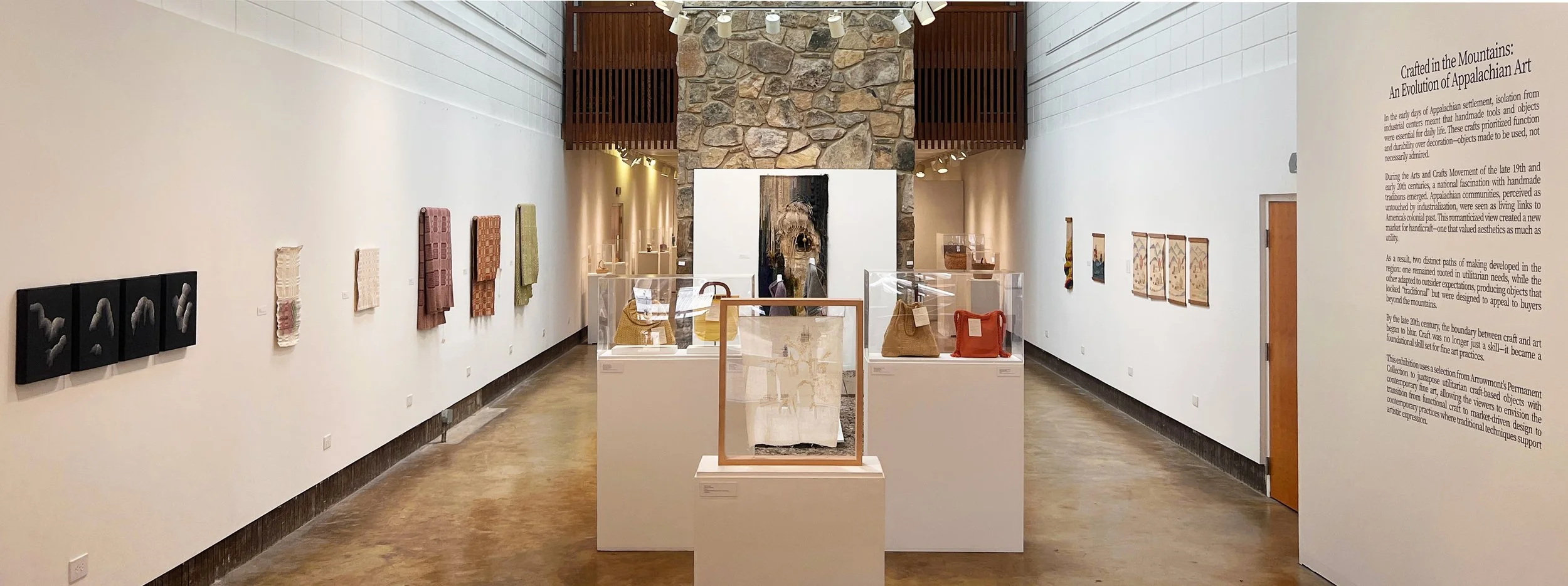
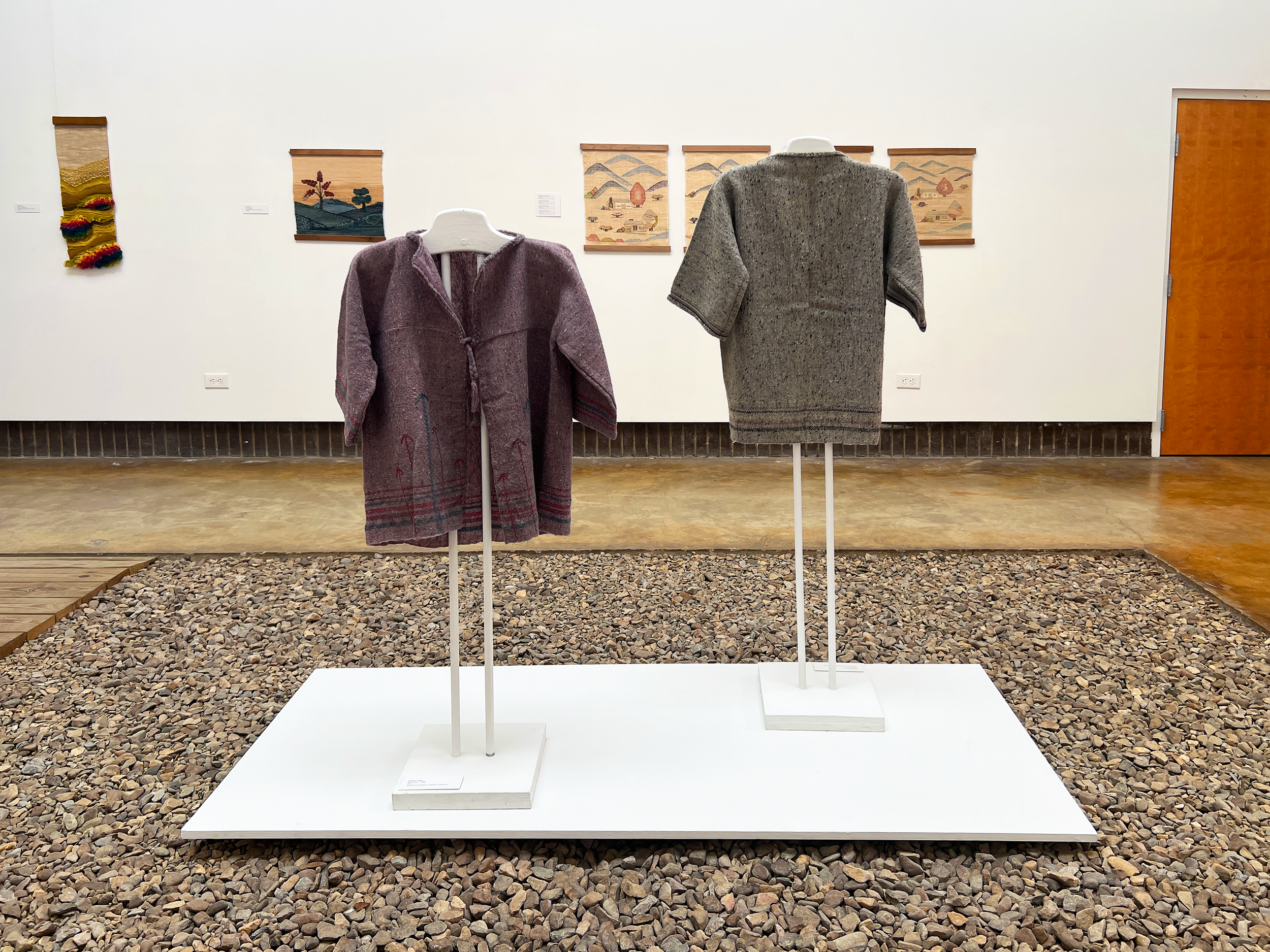
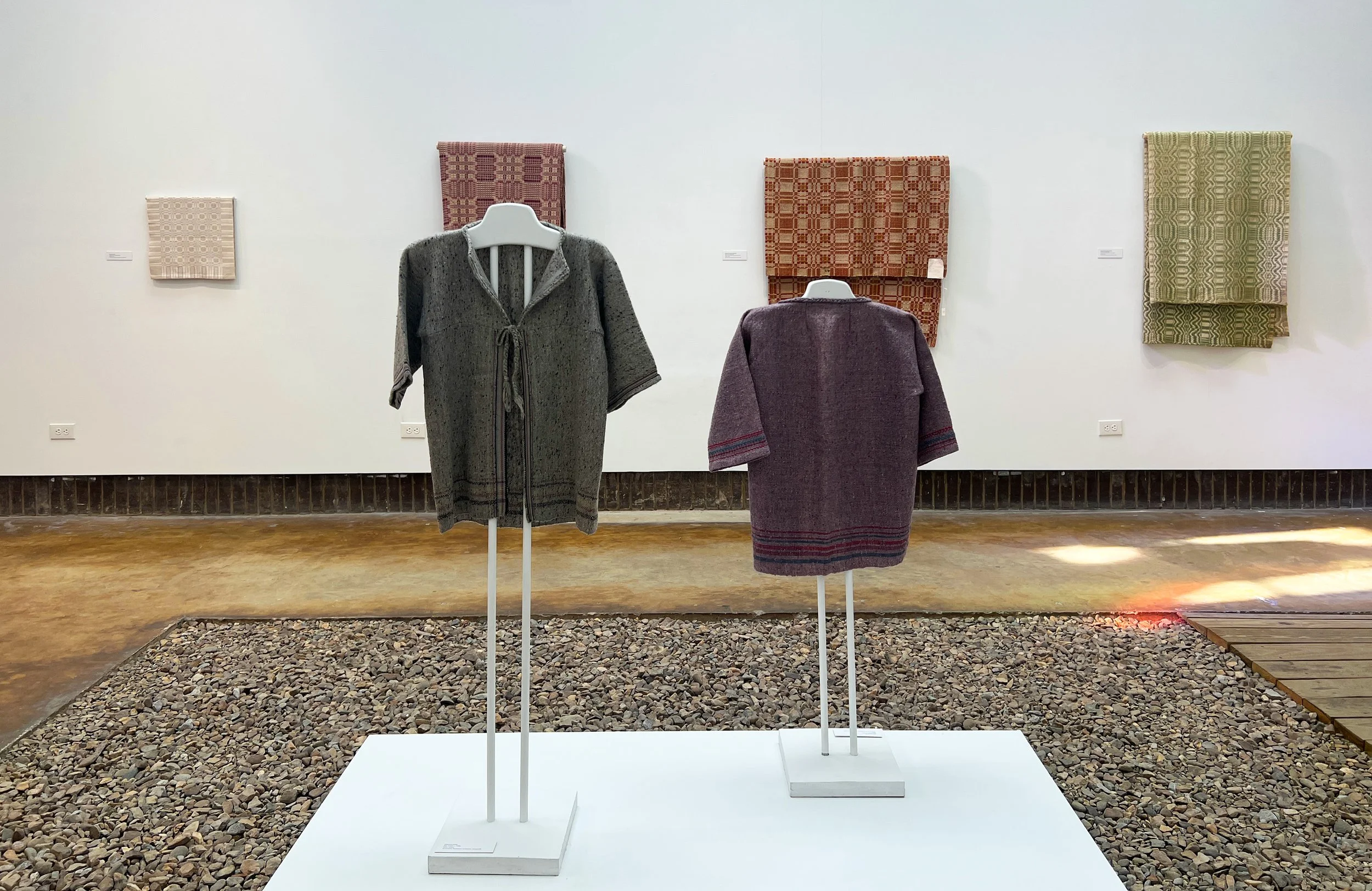
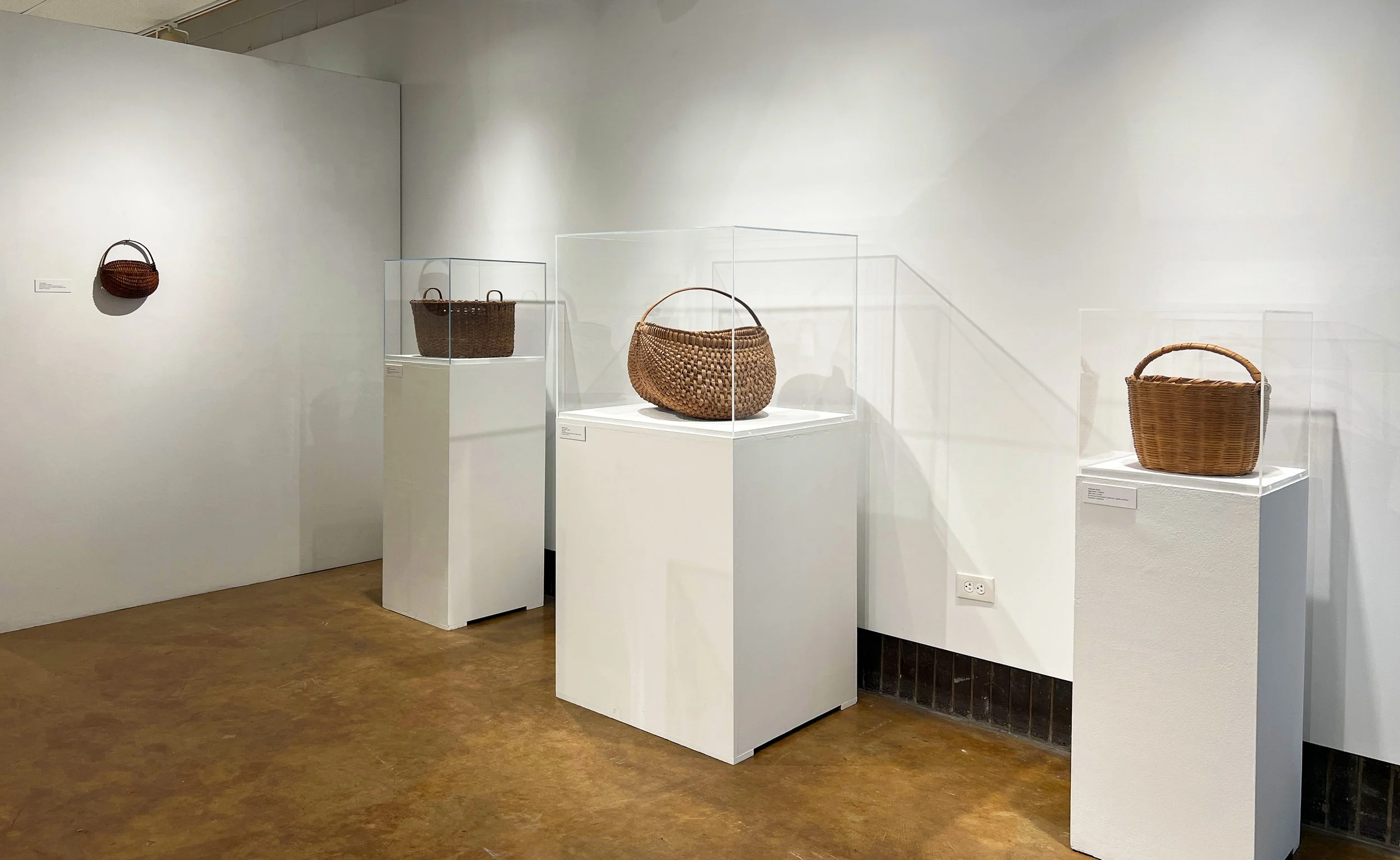
In the early days of Appalachian settlement, isolation from industrial centers meant that handmade tools and objects were essential for daily life. These crafts prioritized function and durability over decoration—objects made to be used, not necessarily admired.
During the Arts and Crafts Movement of the late 19th and early 20th centuries, a national fascination with handmade traditions emerged. Appalachian communities, perceived as untouched by industrialization, were seen as living links to America’s colonial past. This romanticized view created a new market for handicraft—one that valued aesthetics as much as utility.
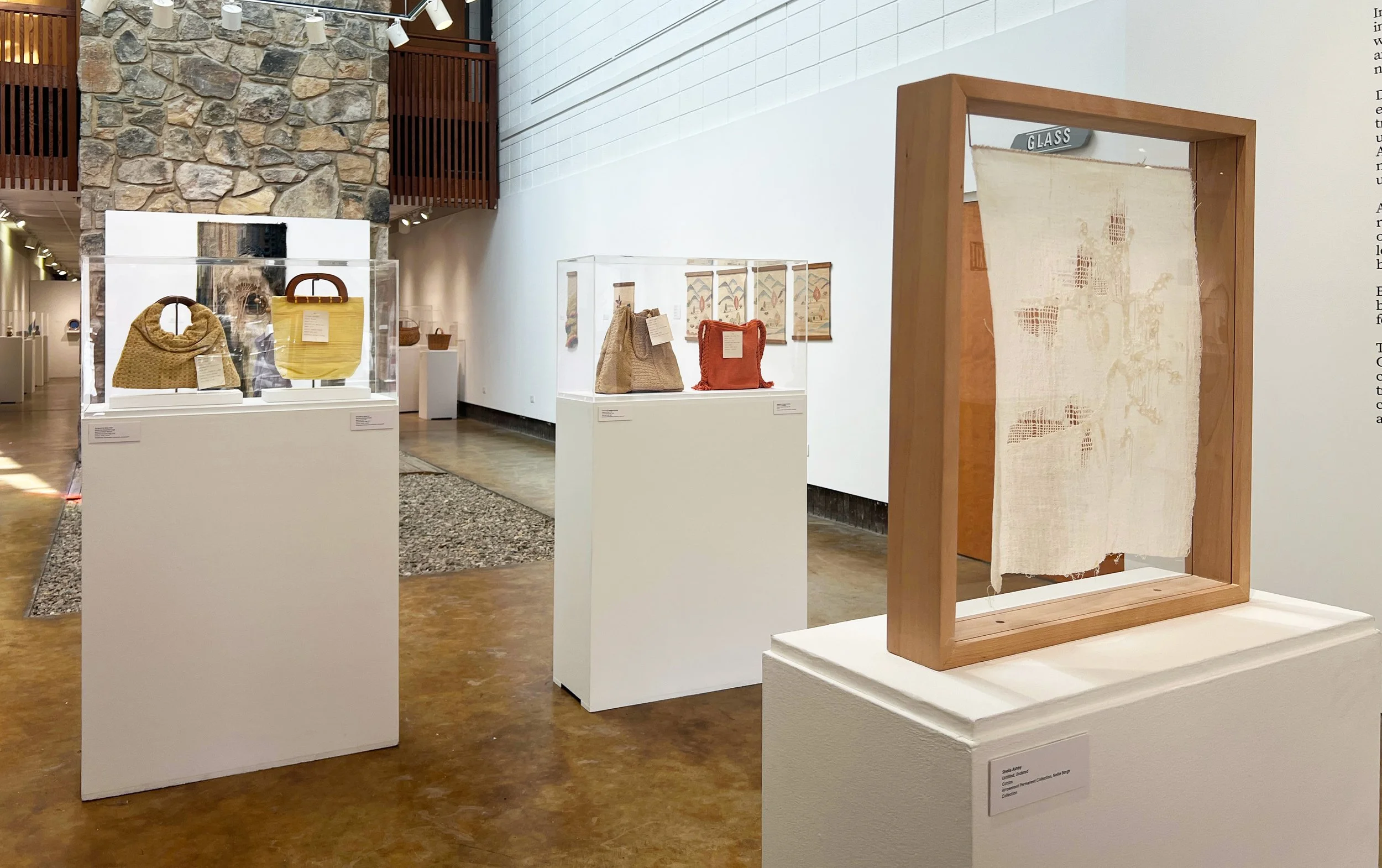
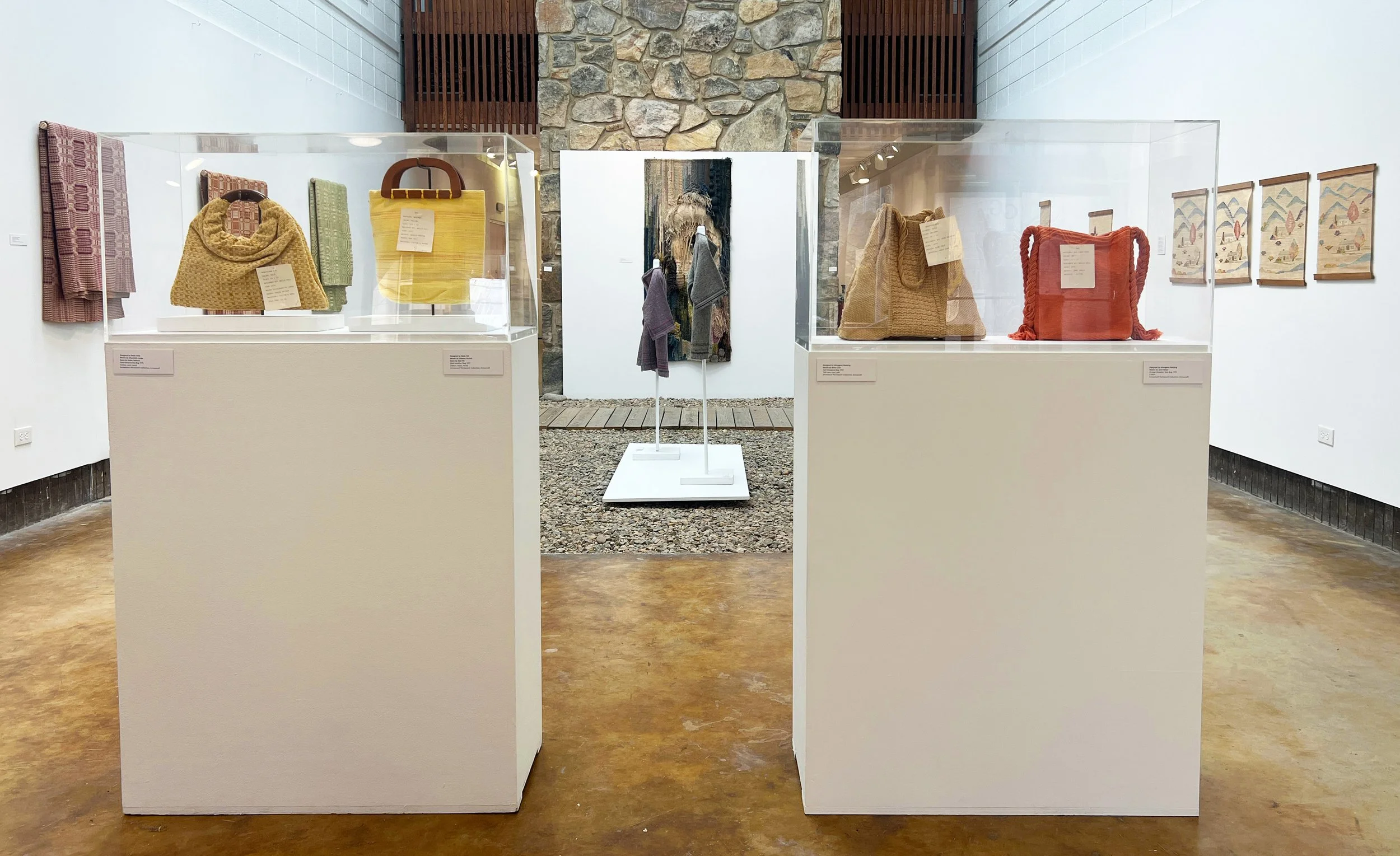
As a result, two distinct paths of making developed in the region: one remained rooted in utilitarian needs, while the other adapted to outsider expectations, producing objects that looked “traditional” but were designed to appeal to buyers beyond the mountains.
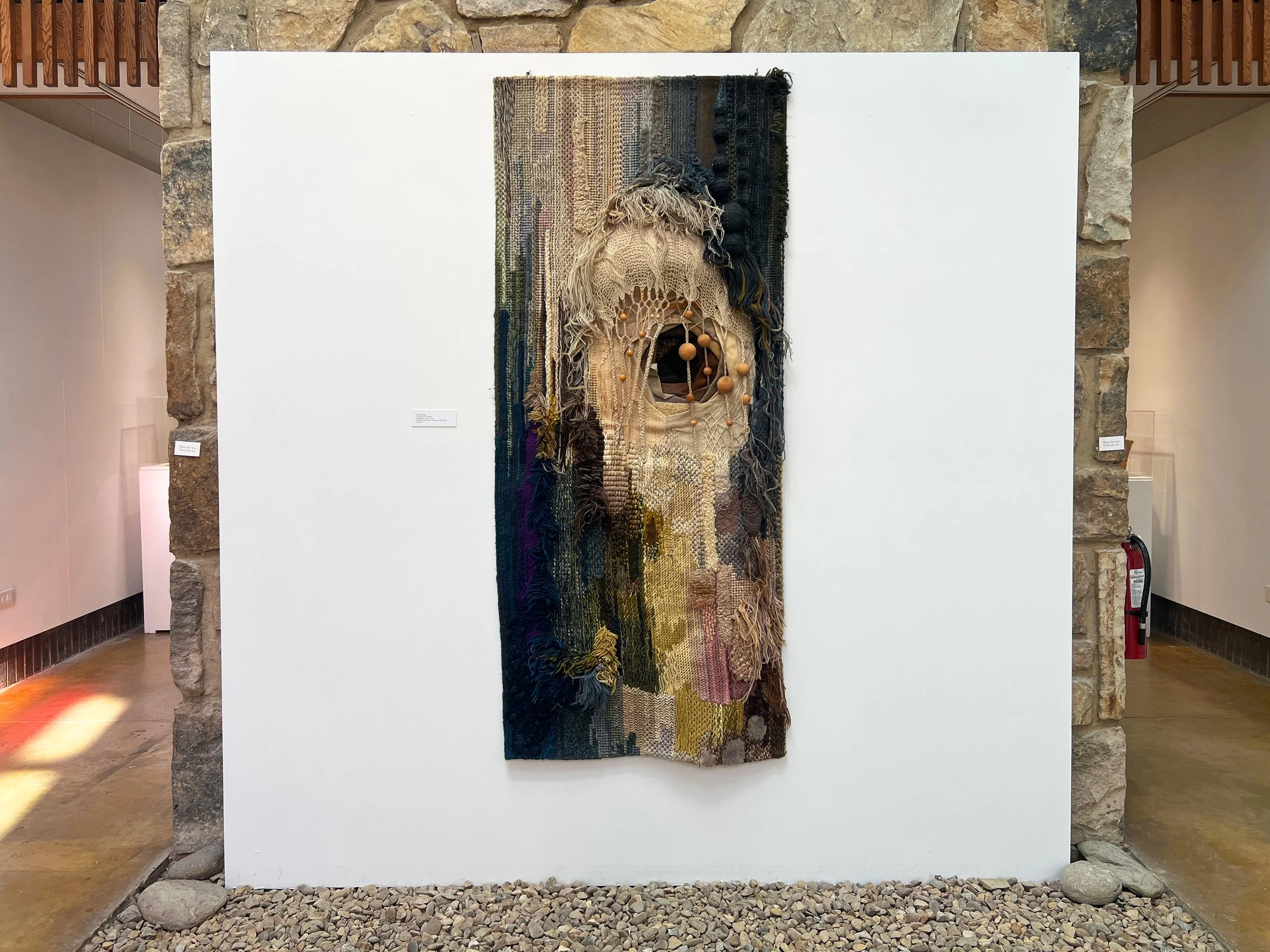
By the late 20th century, the boundary between craft and art began to blur. Craft was no longer just a skill—it became a foundational skill set for fine art practices.
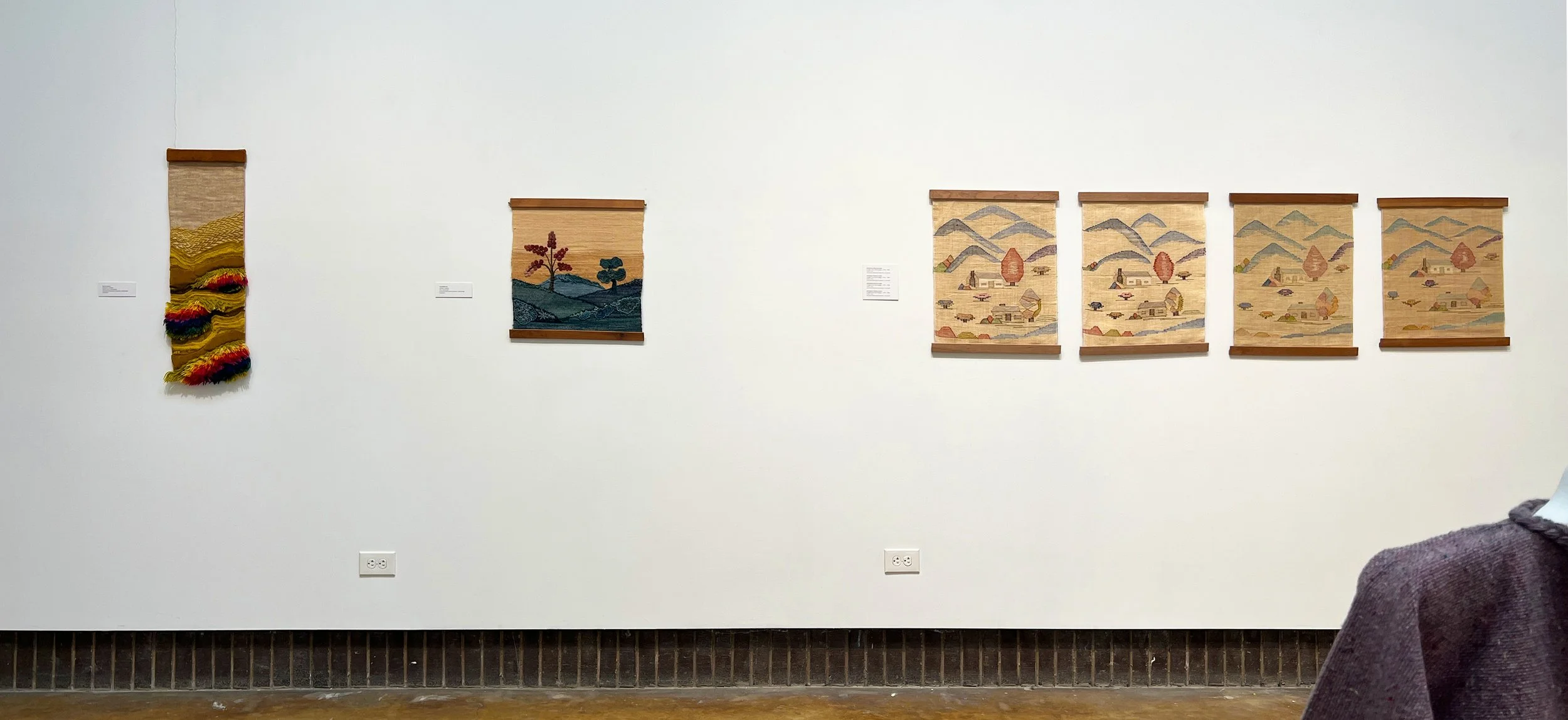
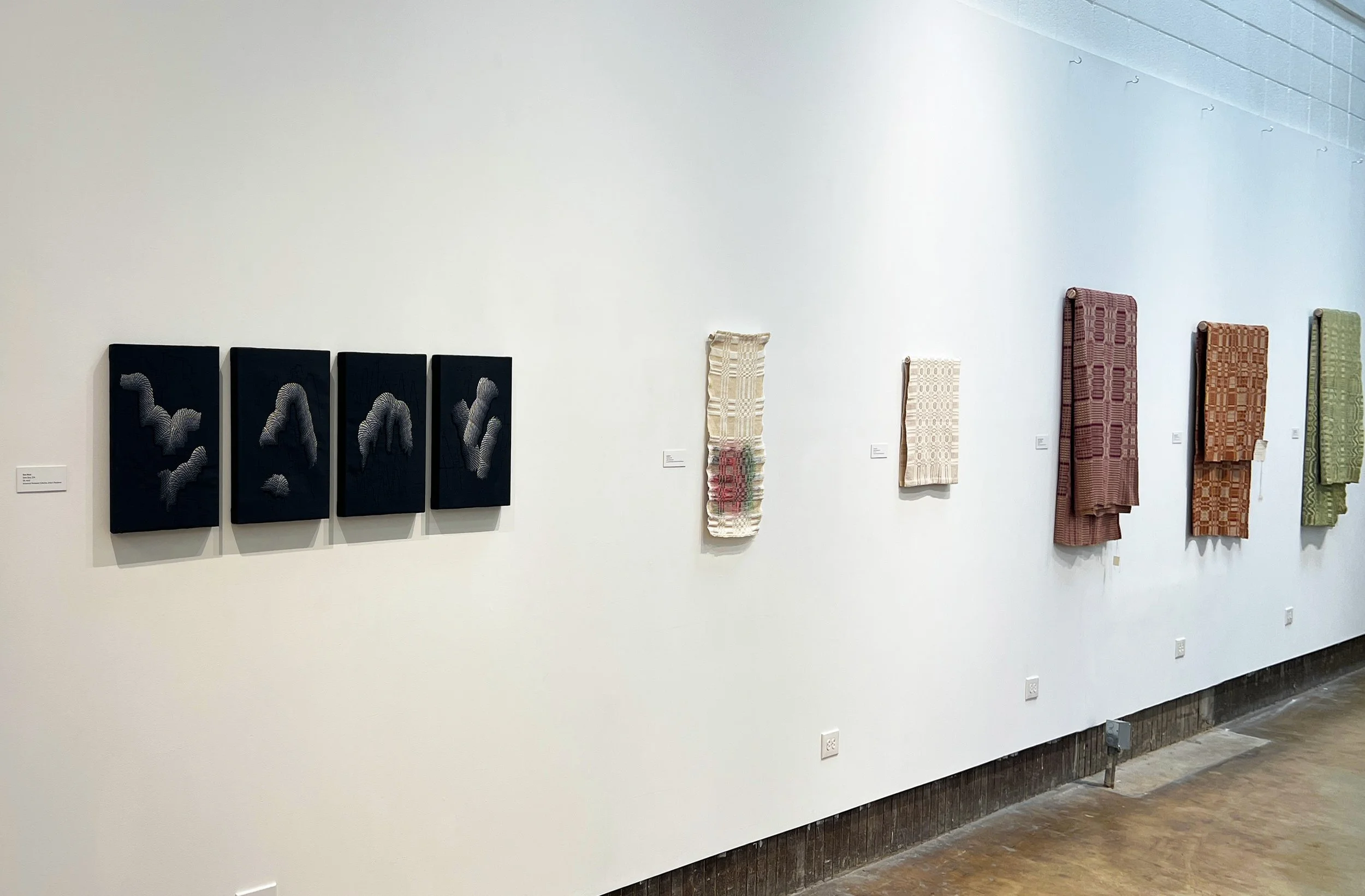
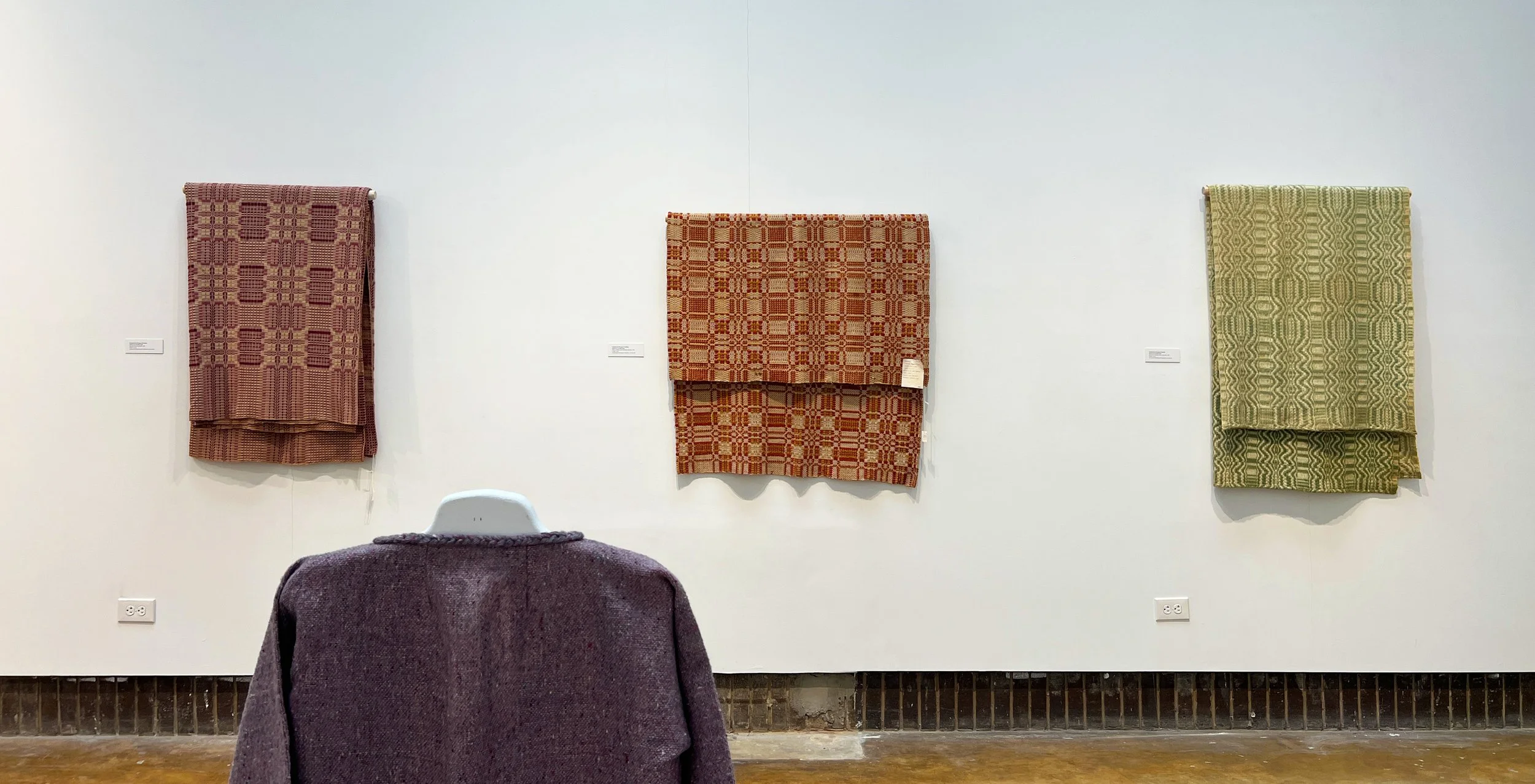
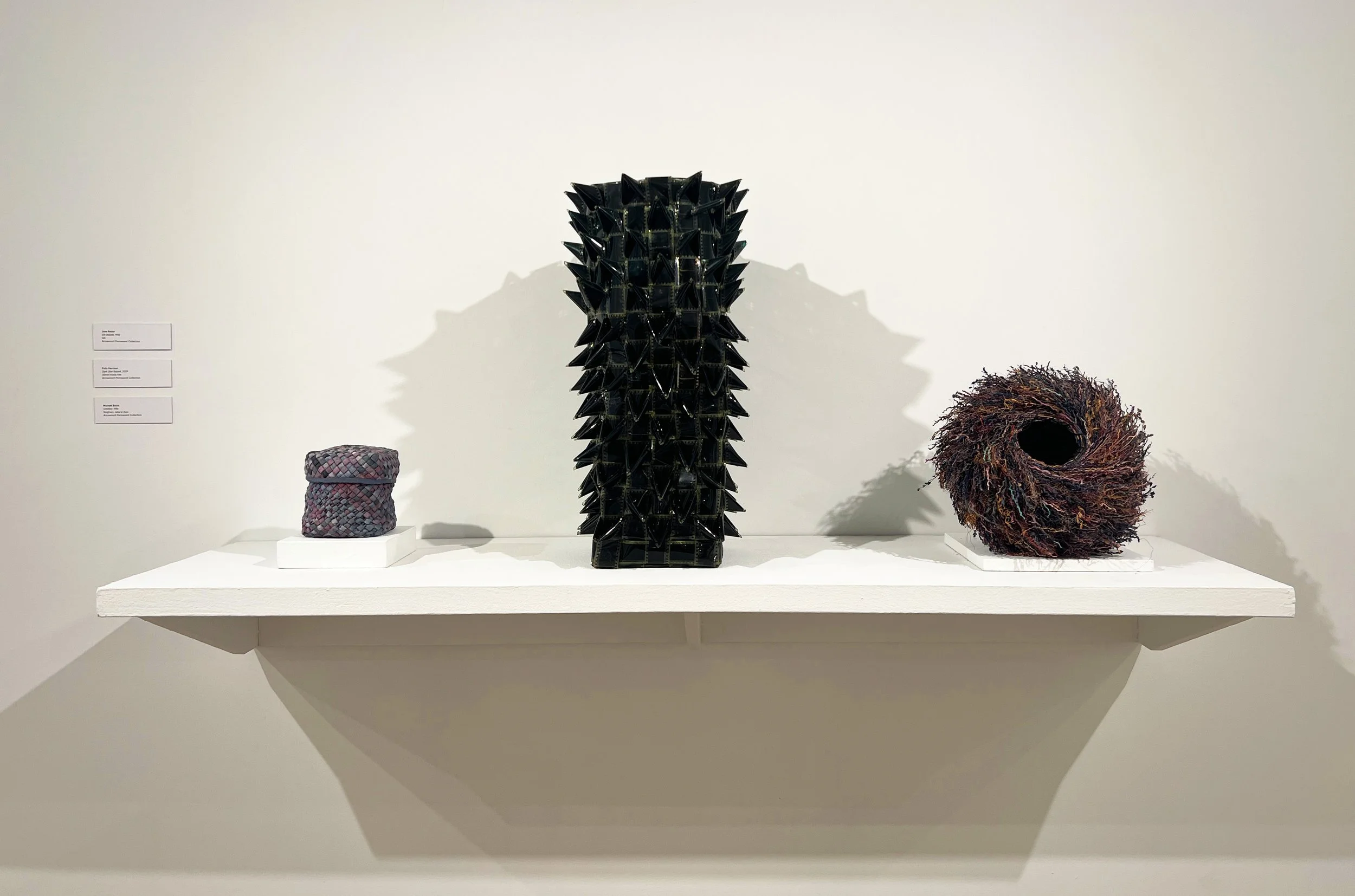
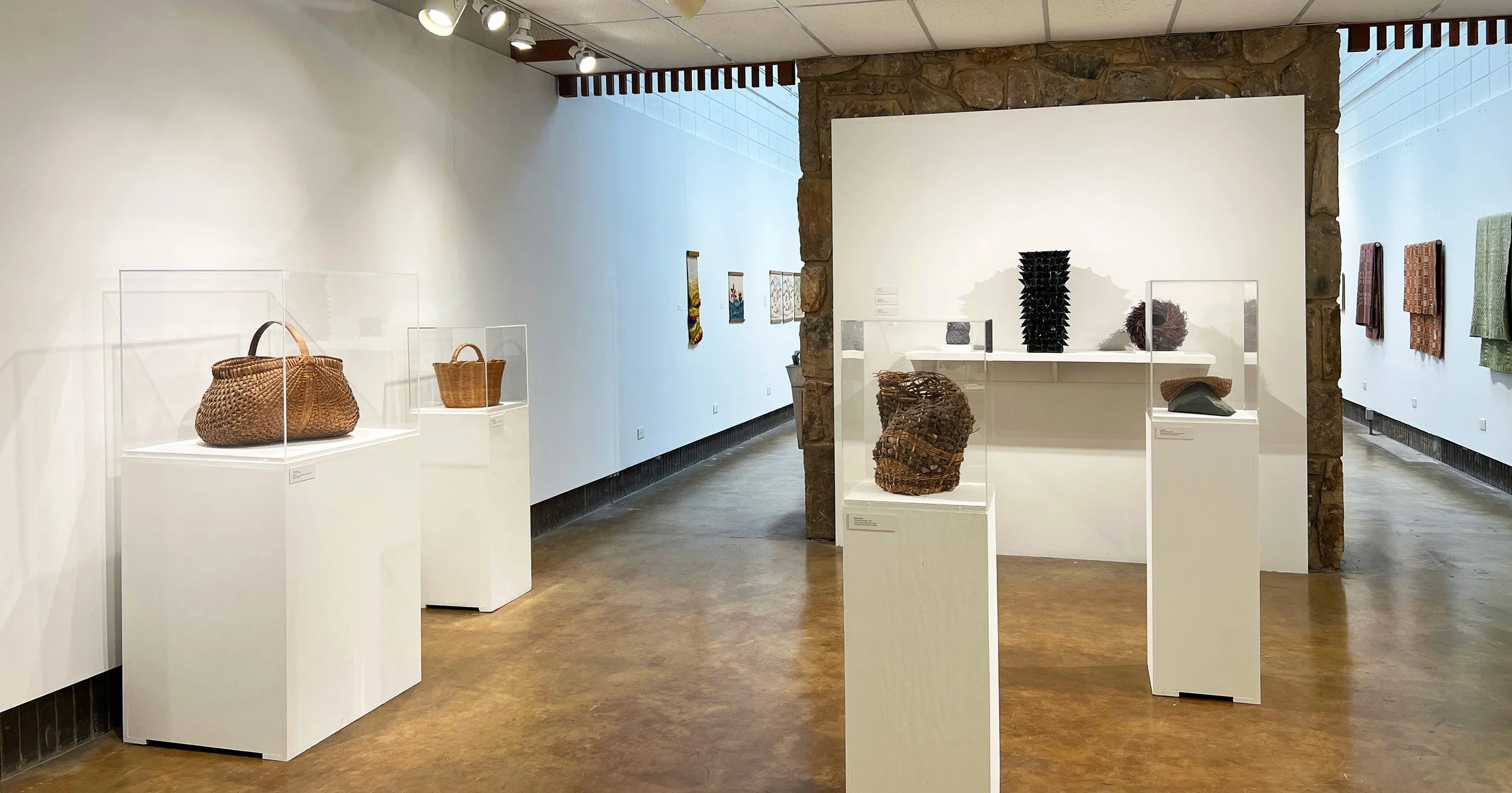
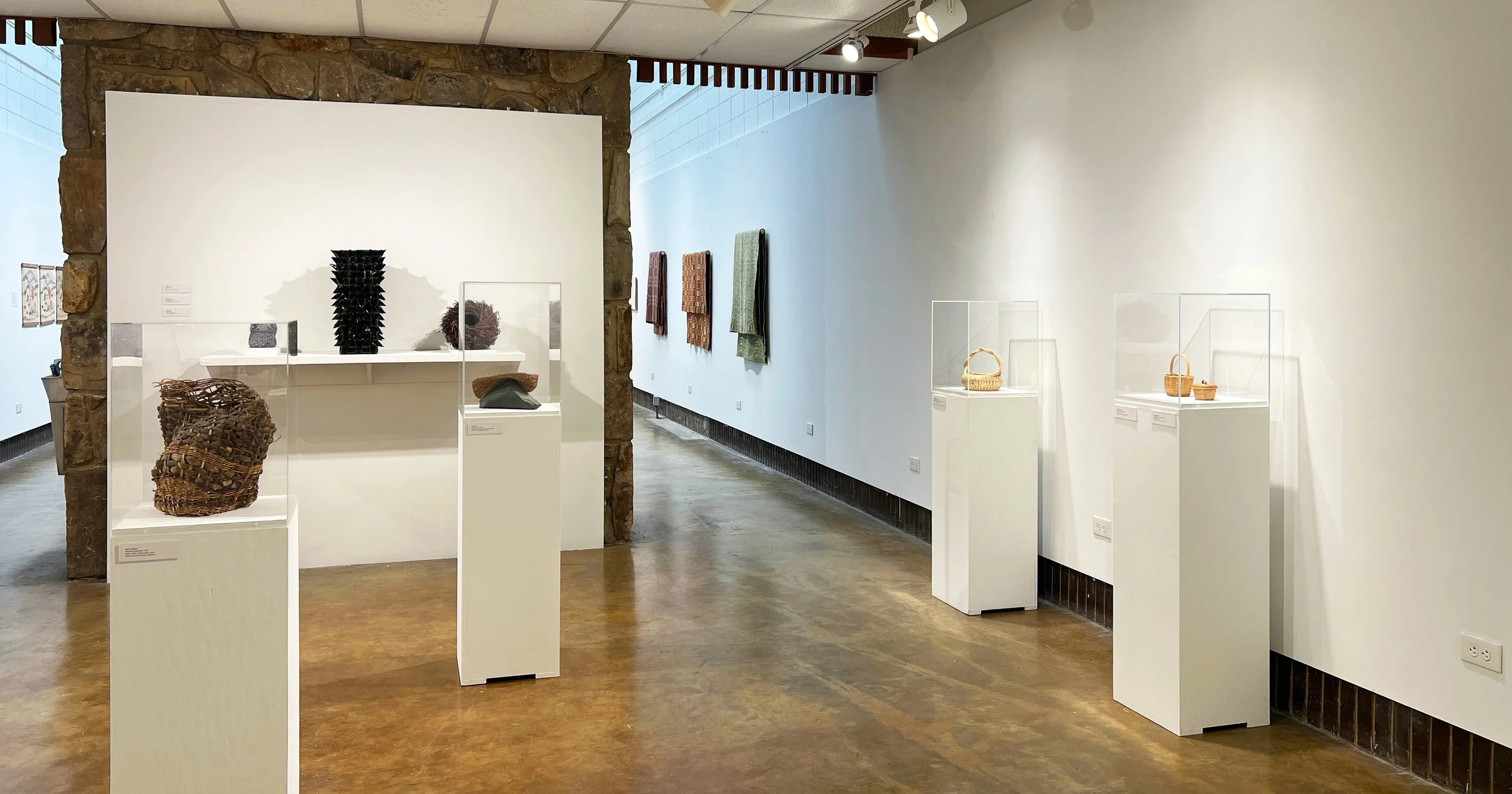
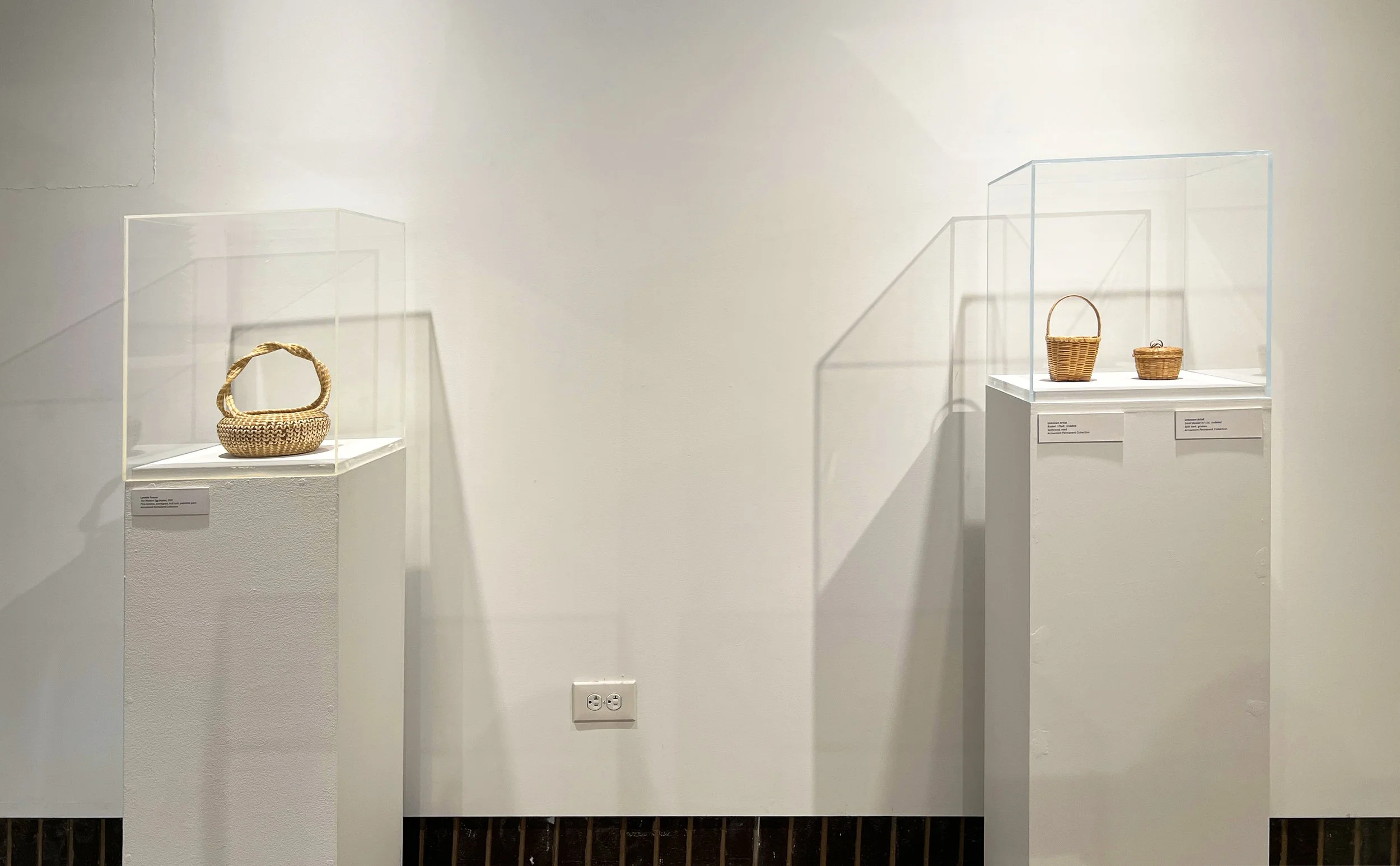
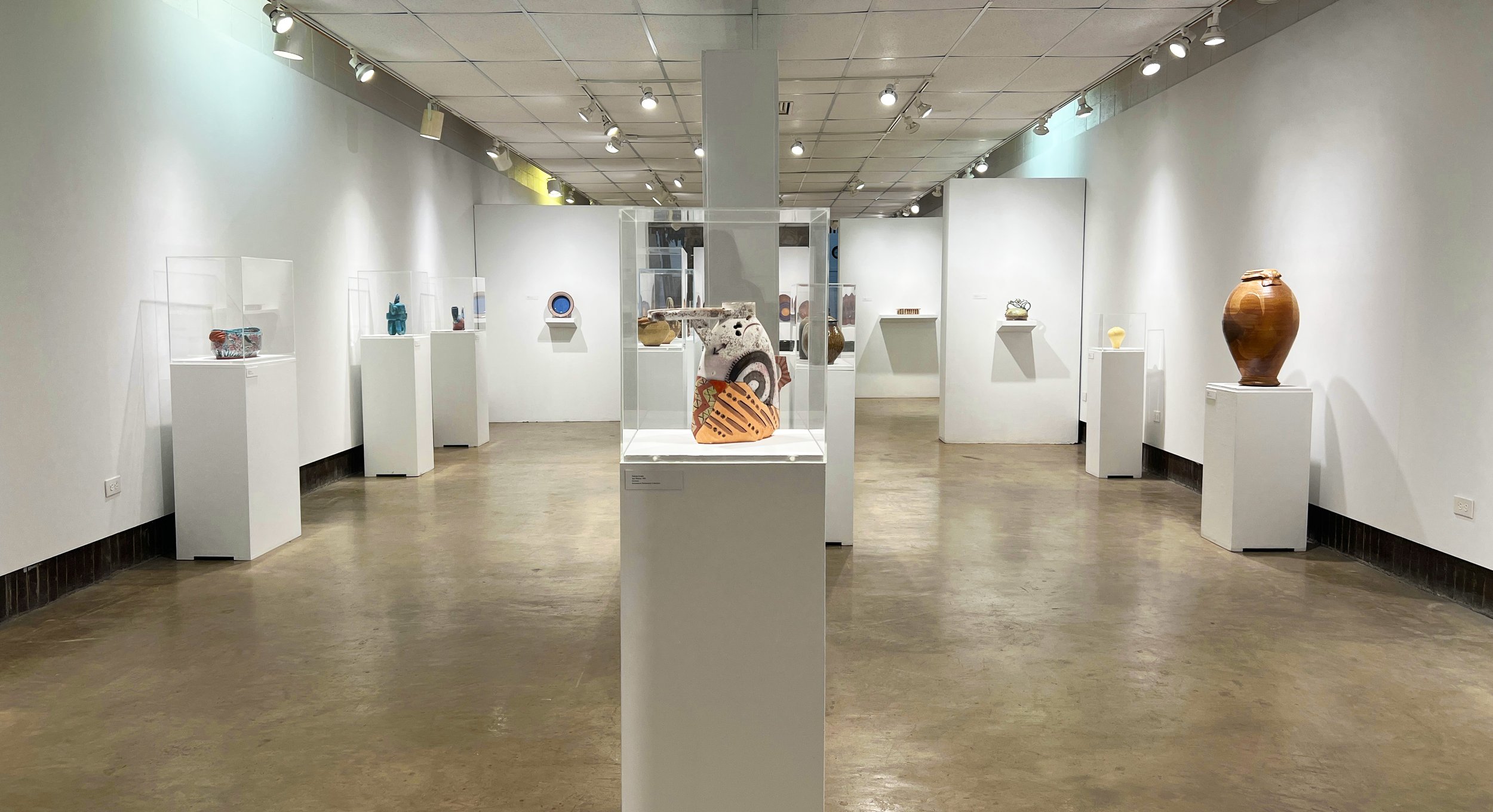
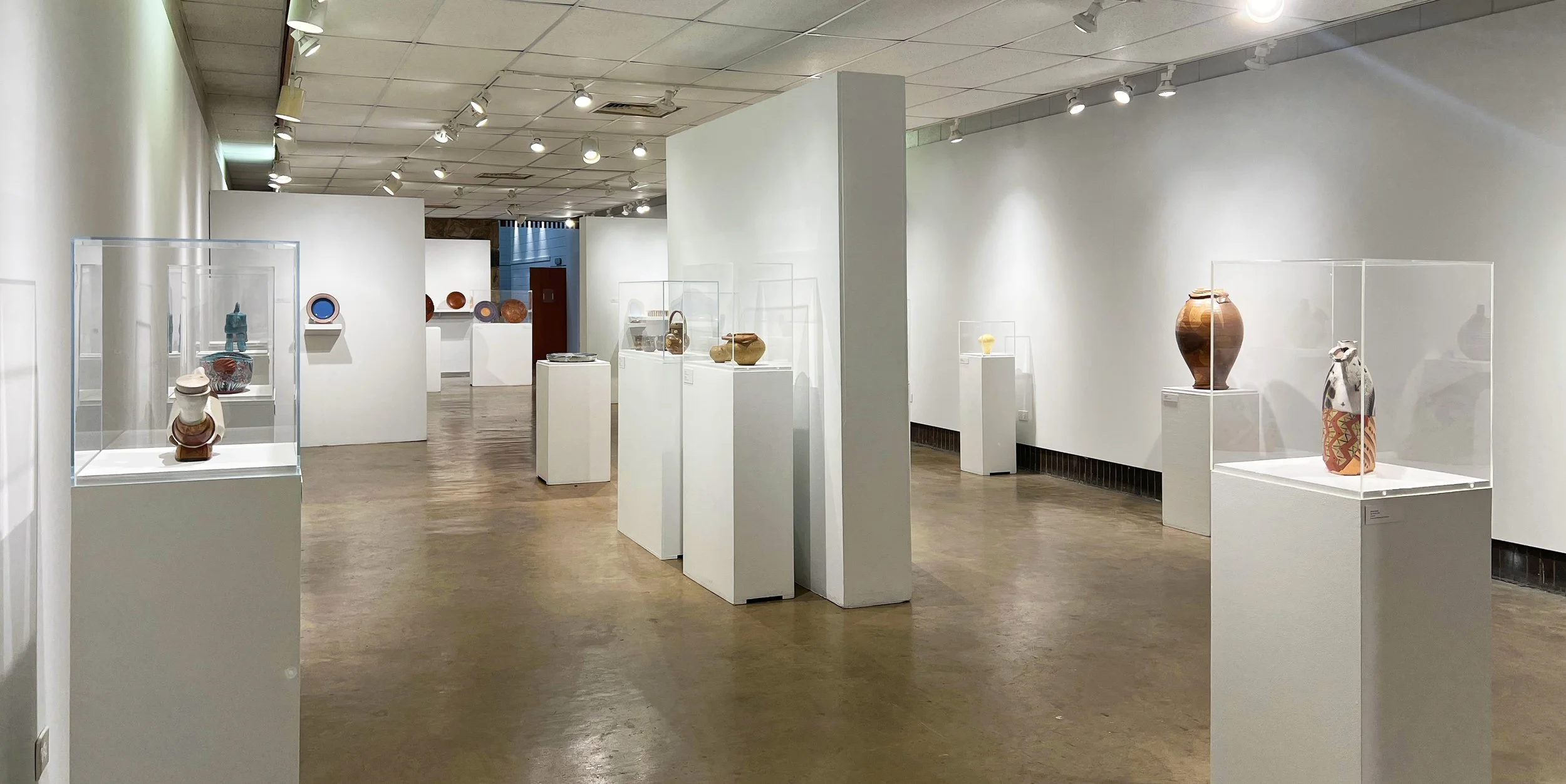
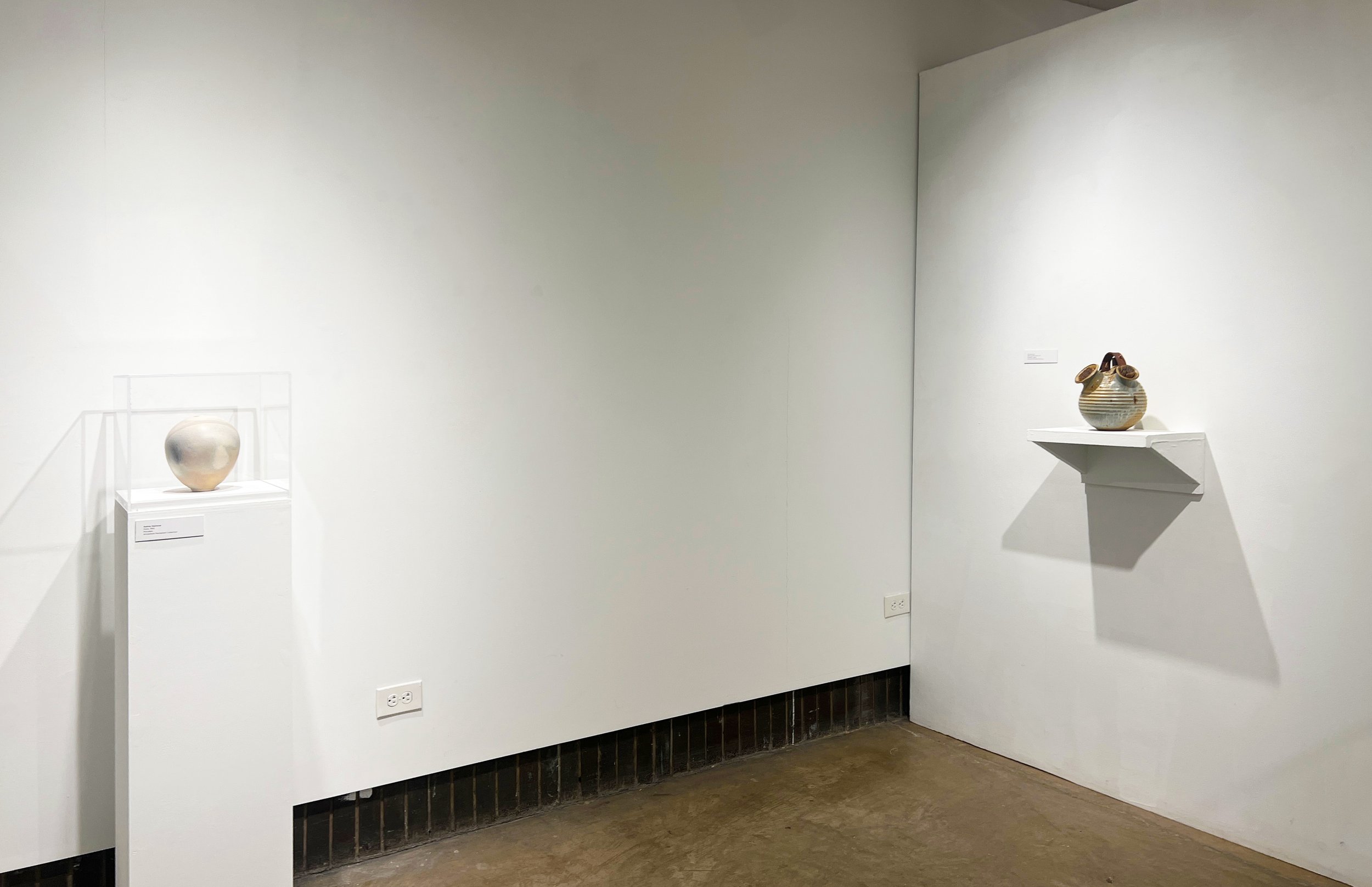
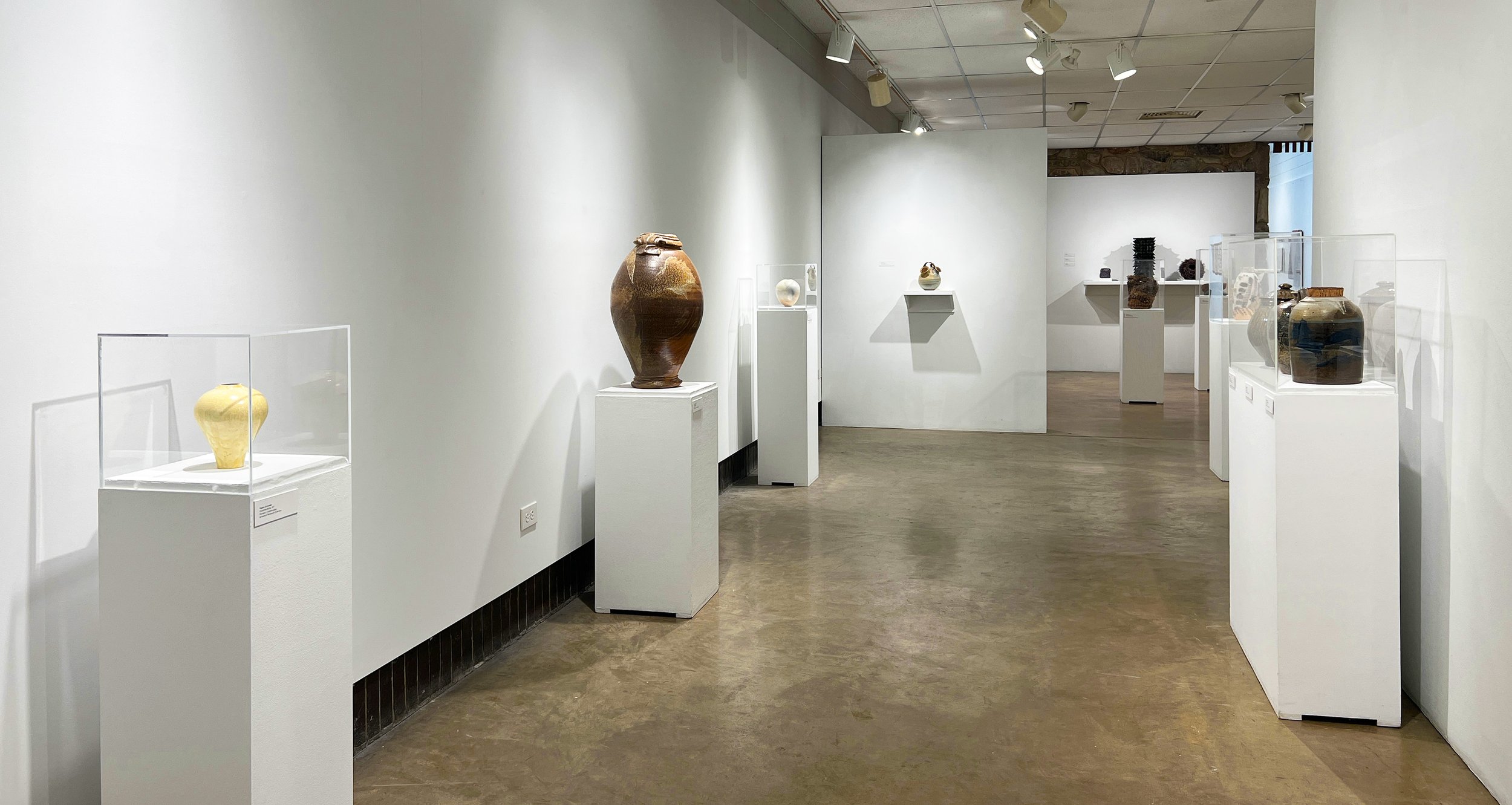
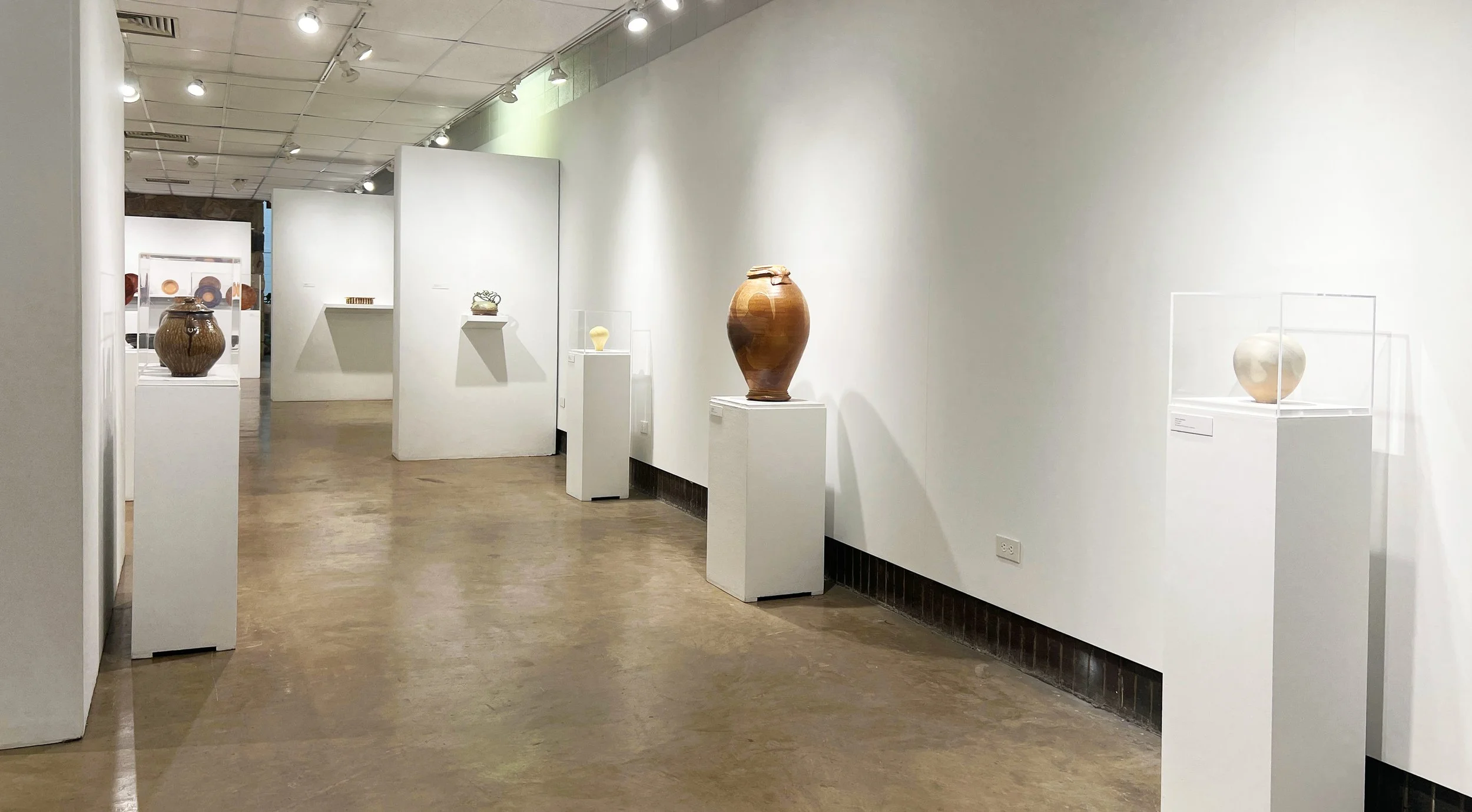
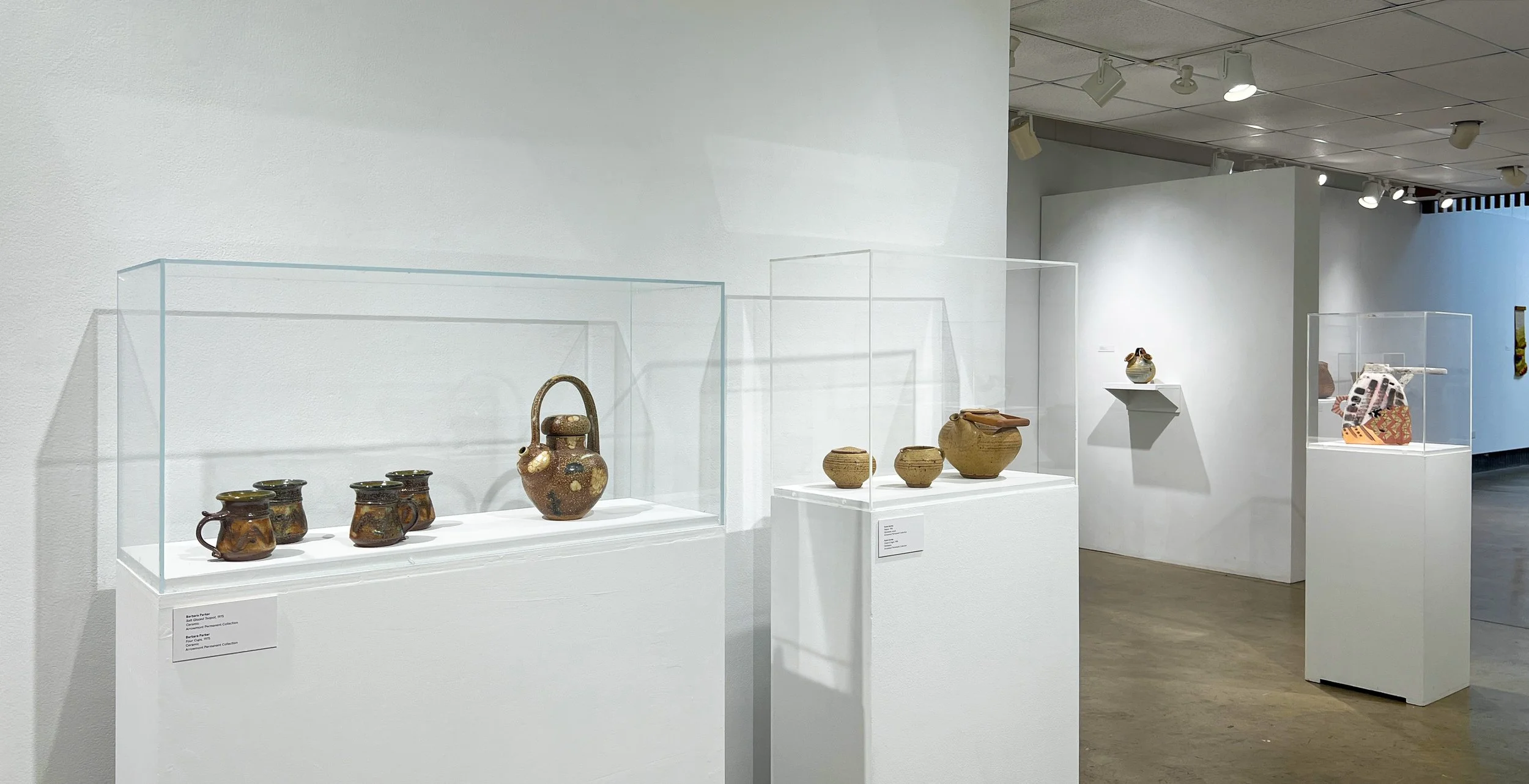
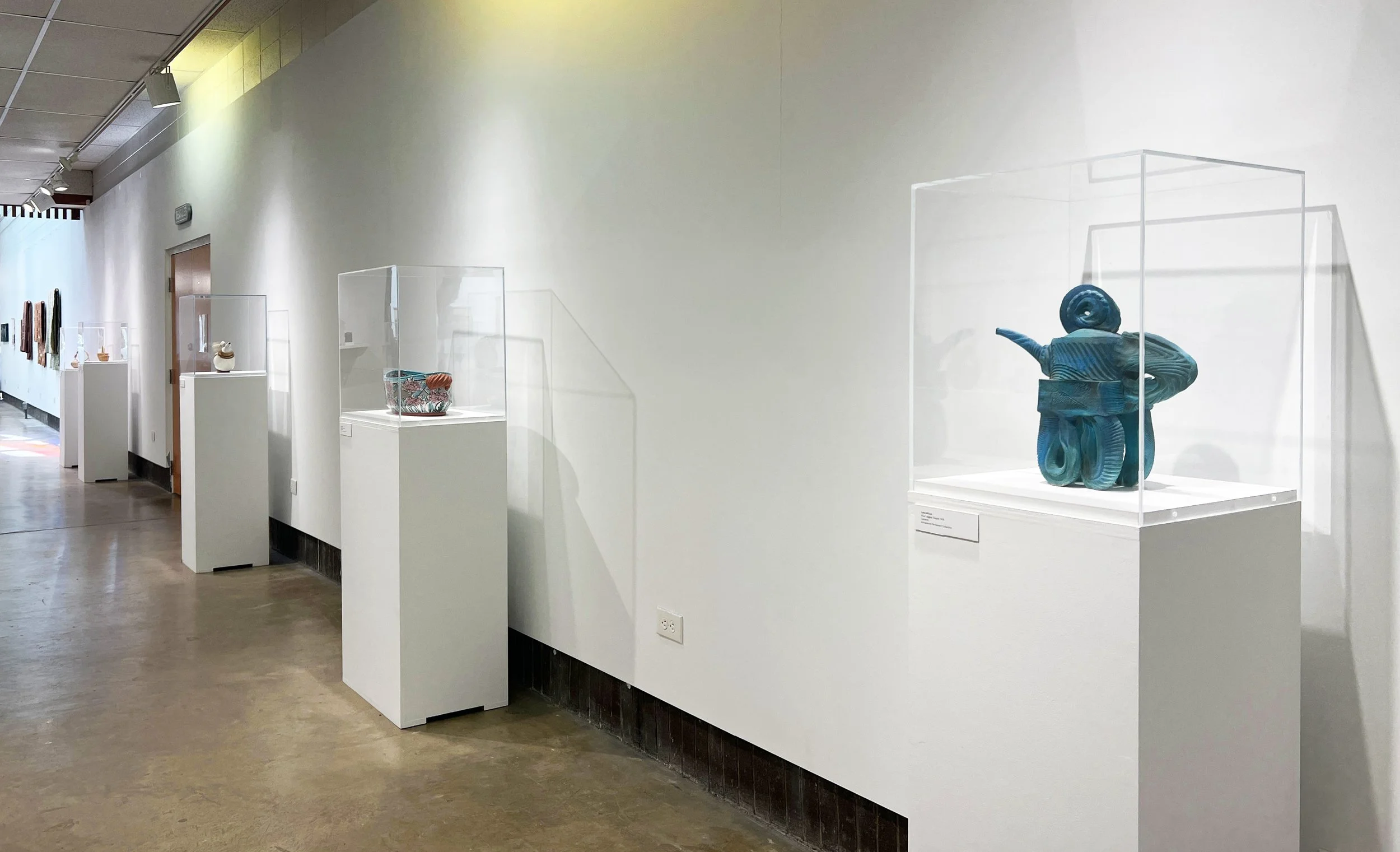
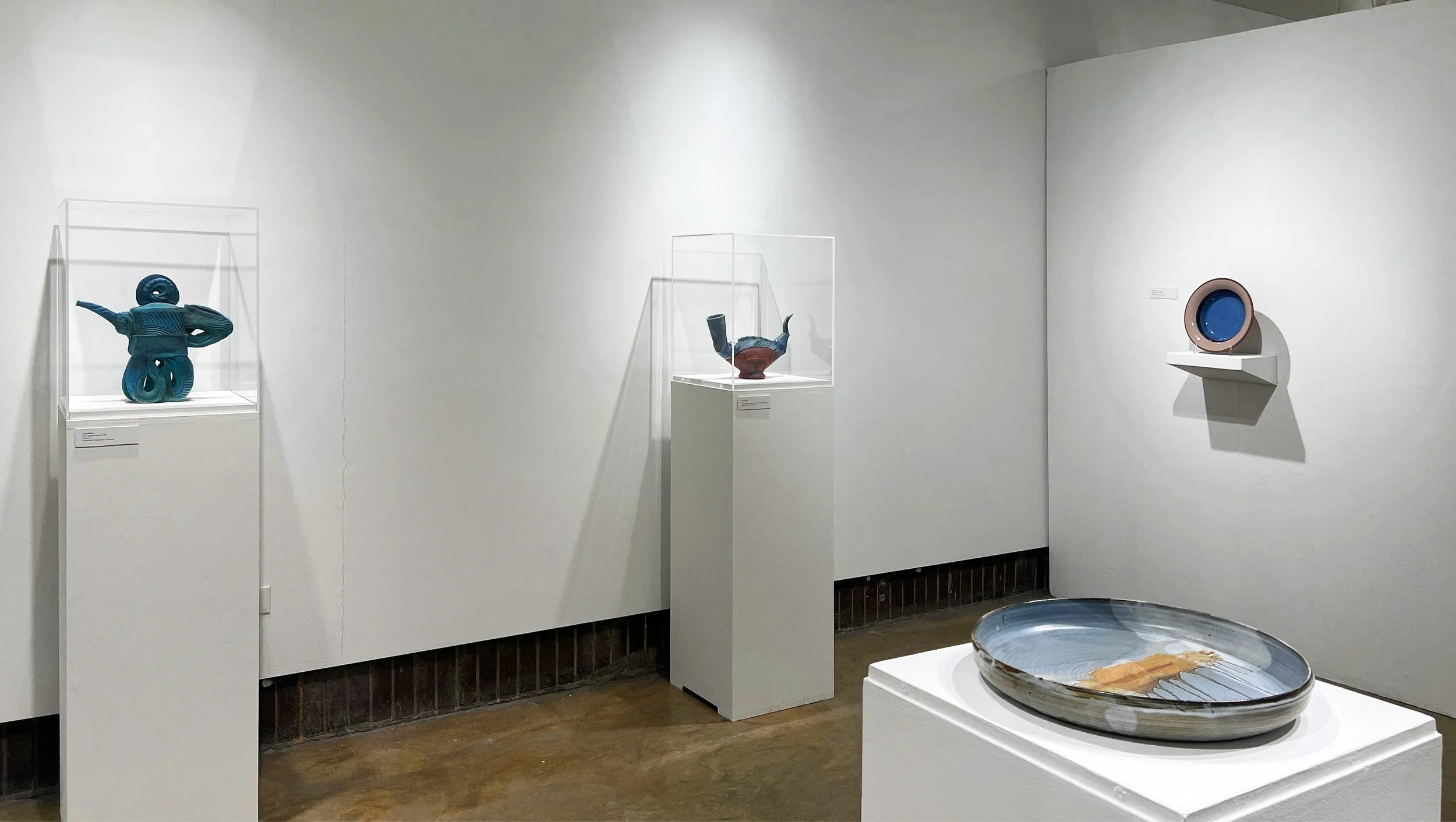
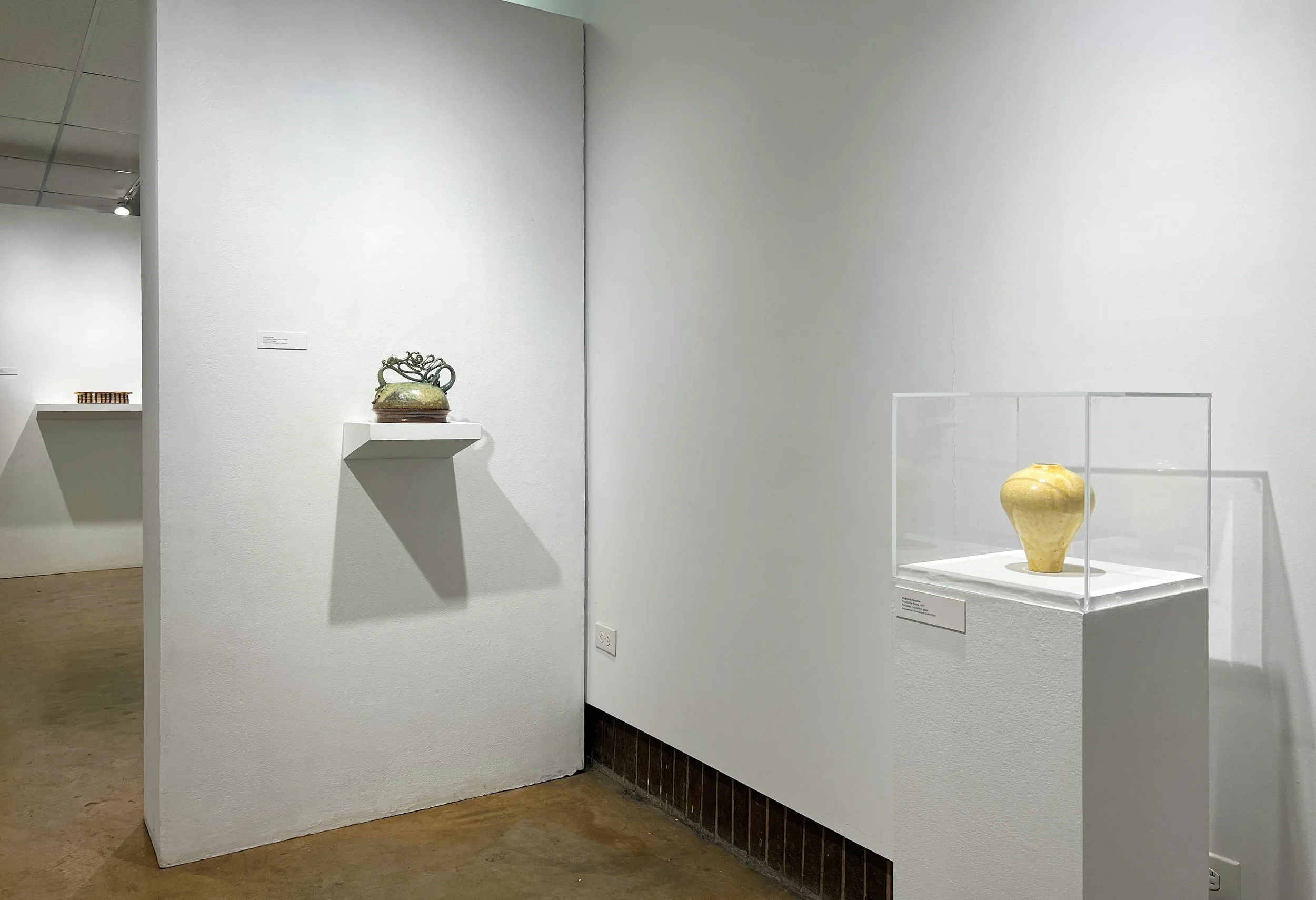
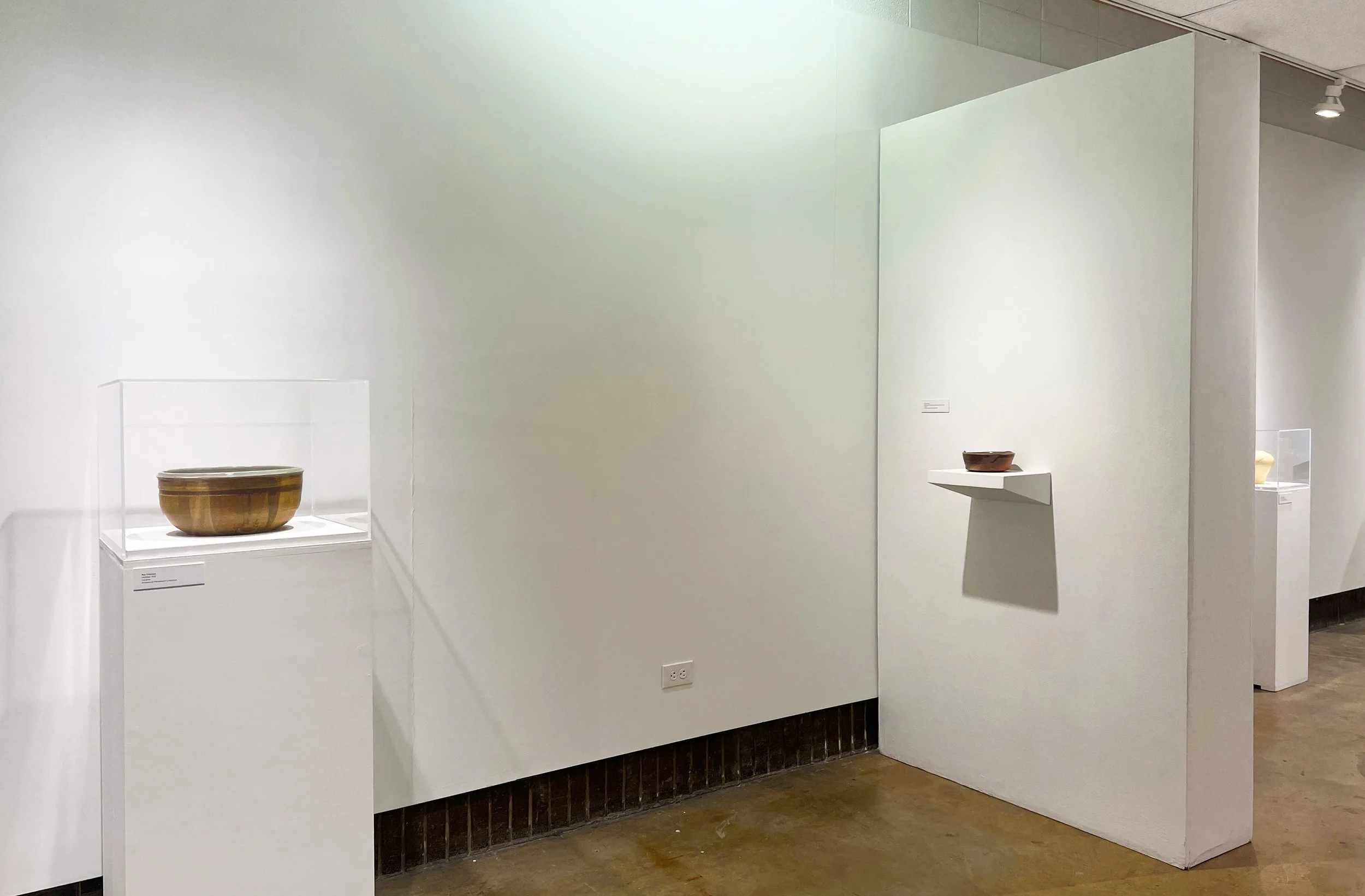
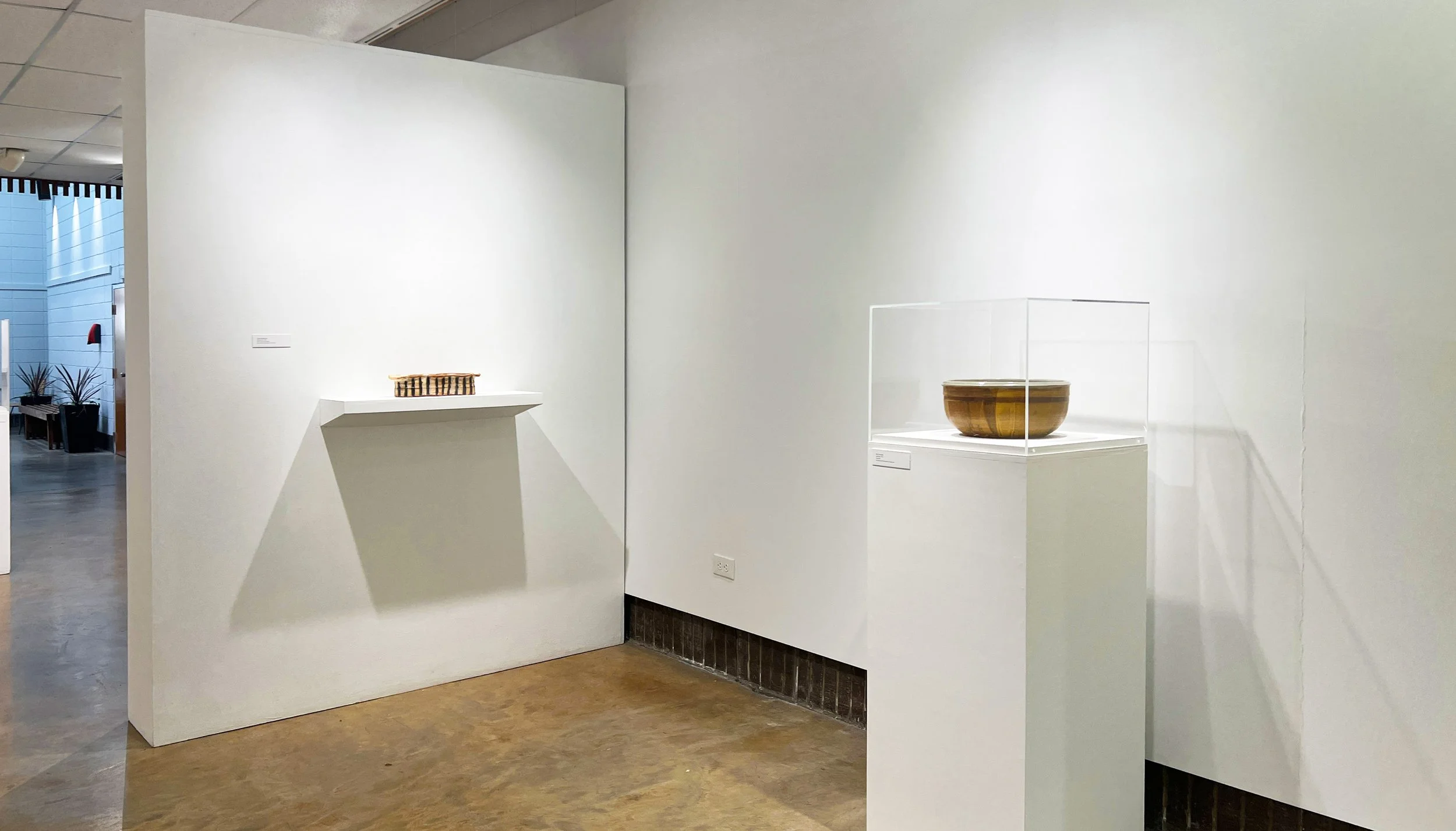
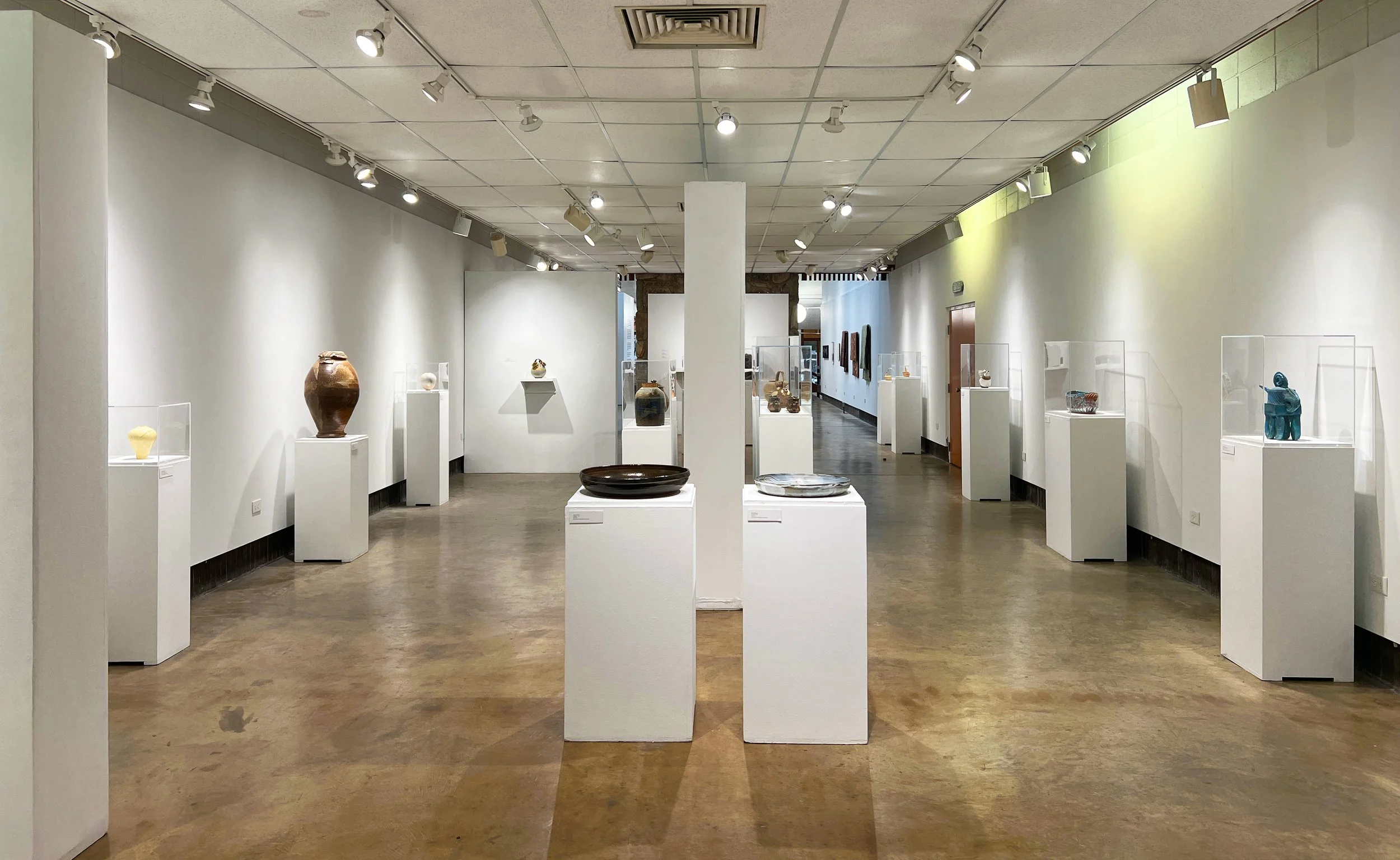
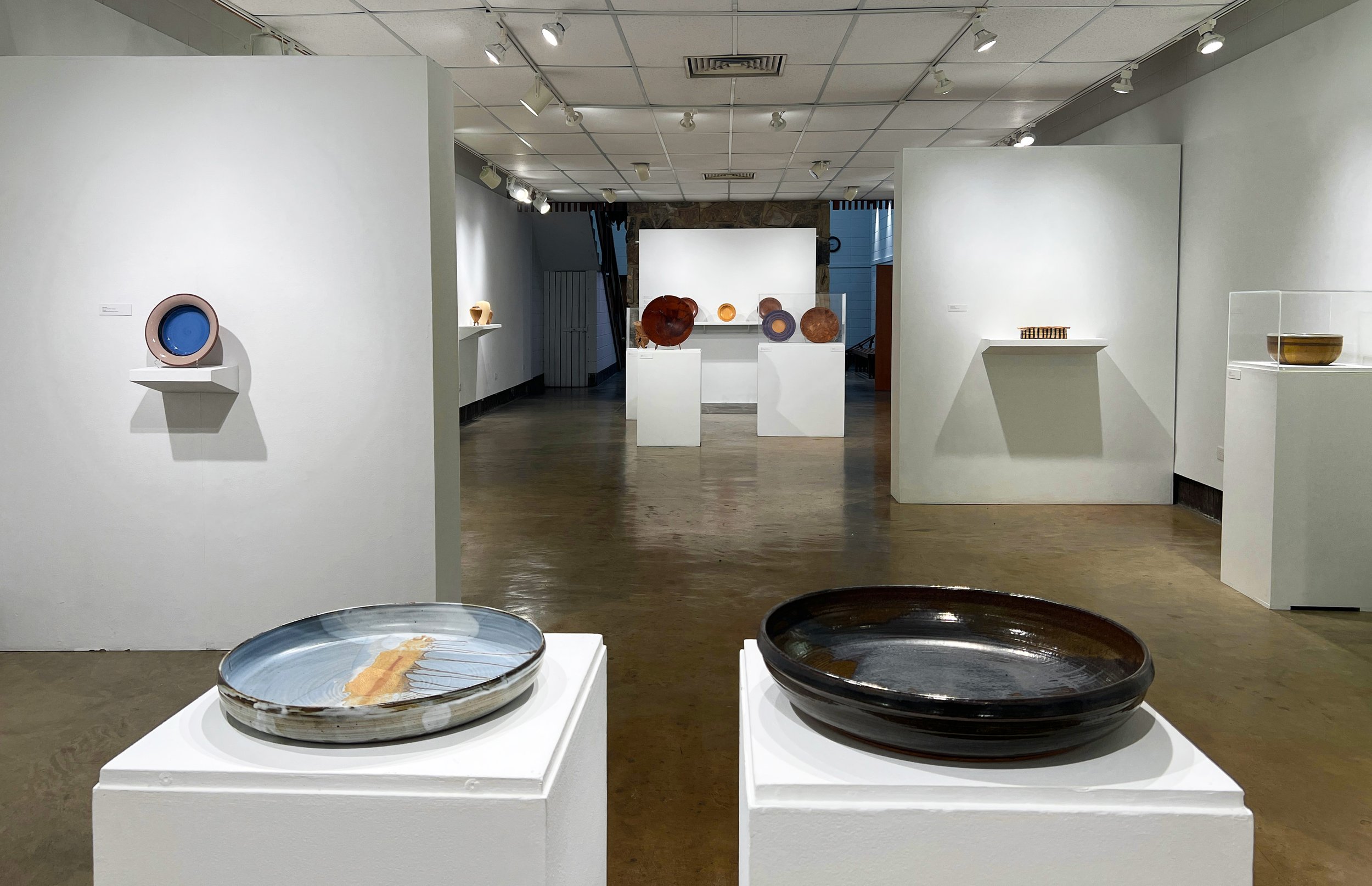
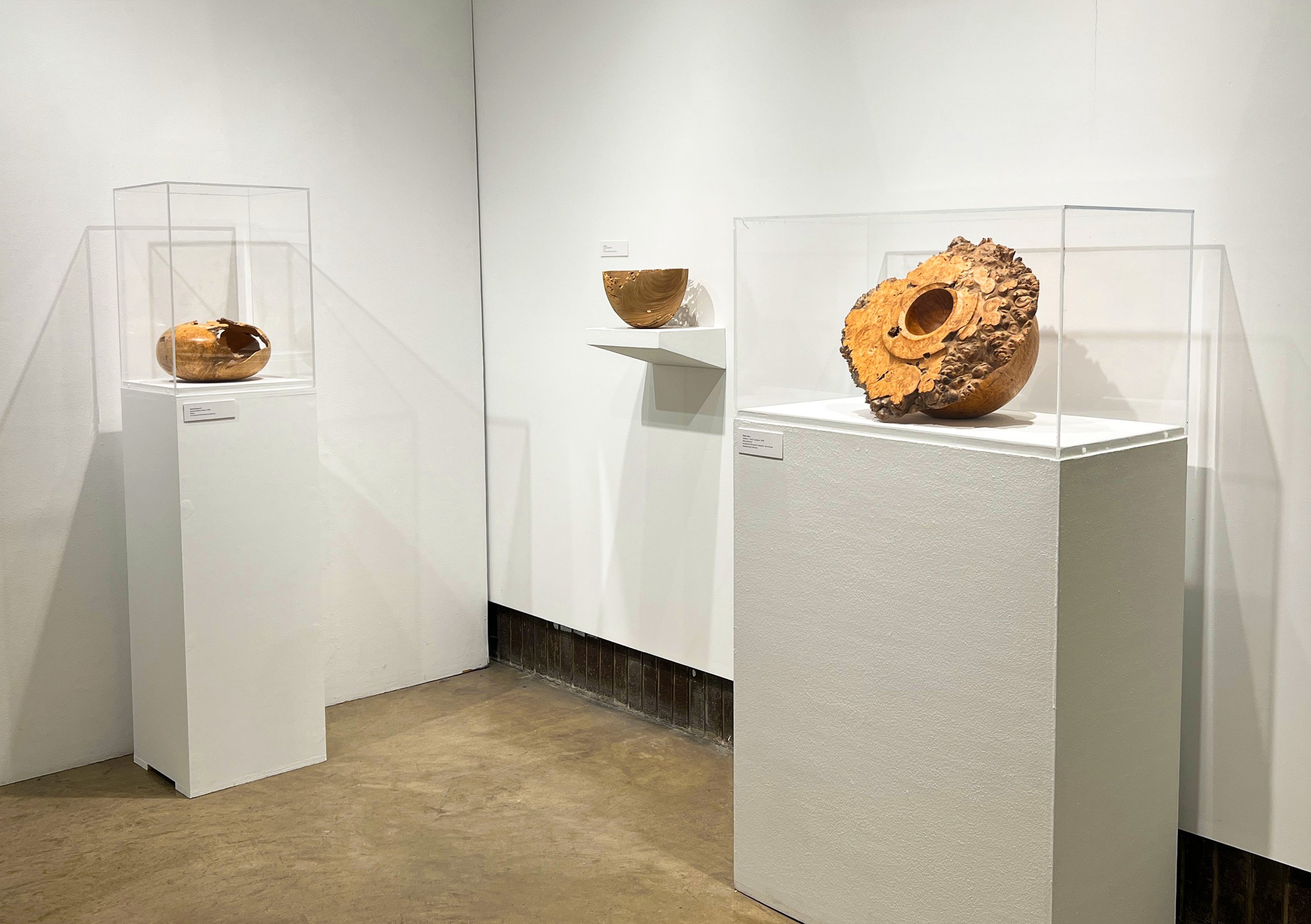
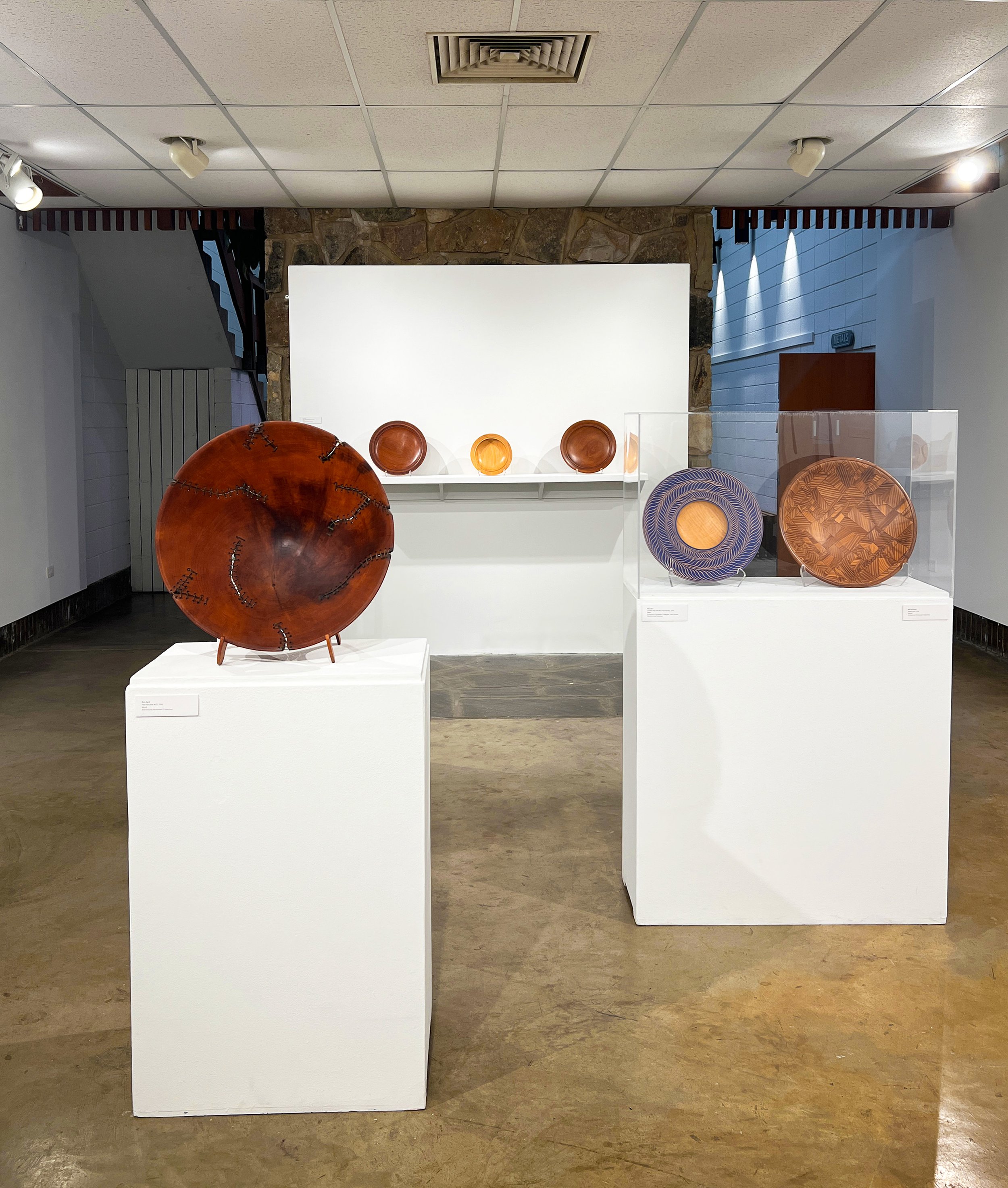
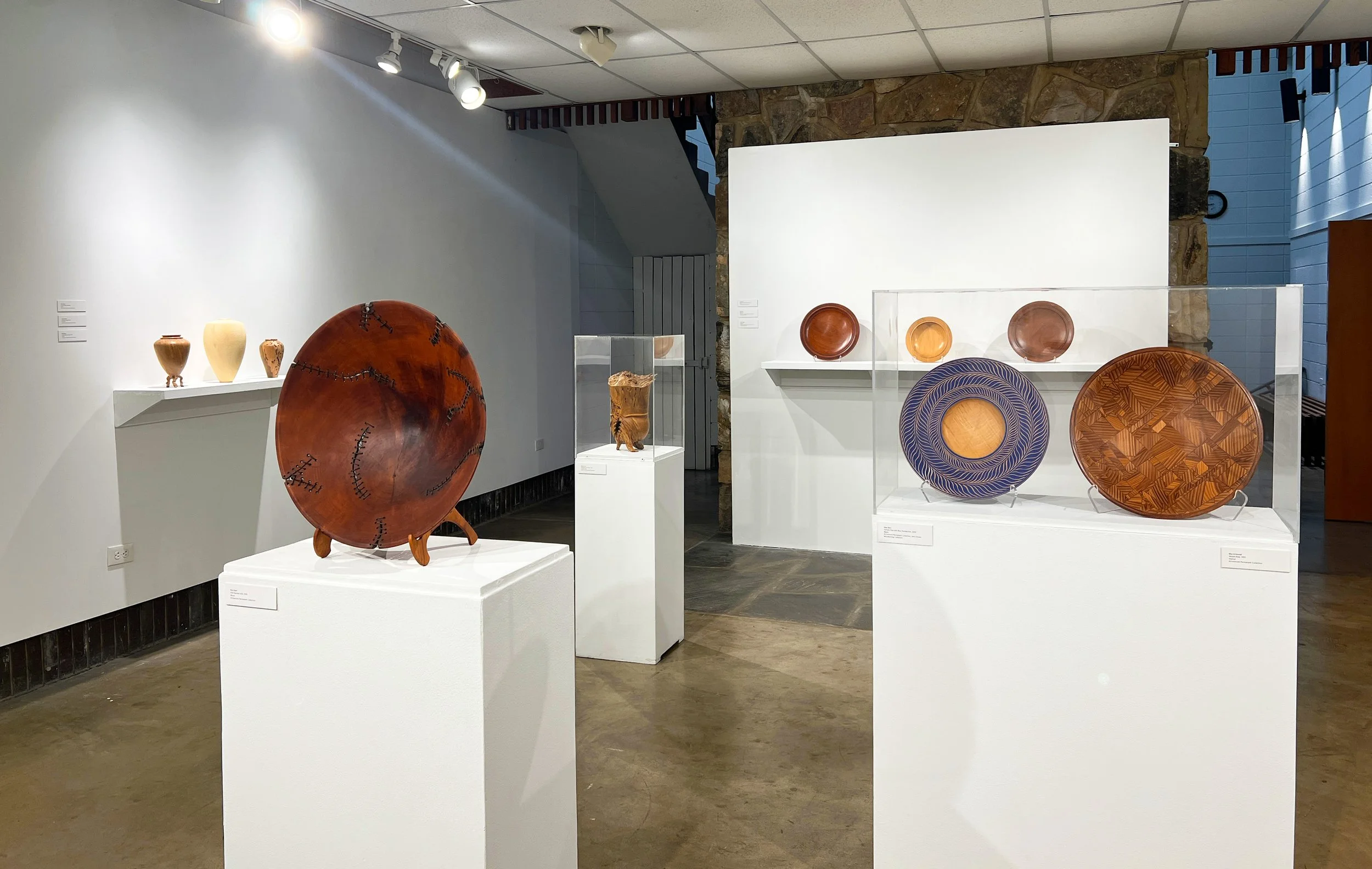
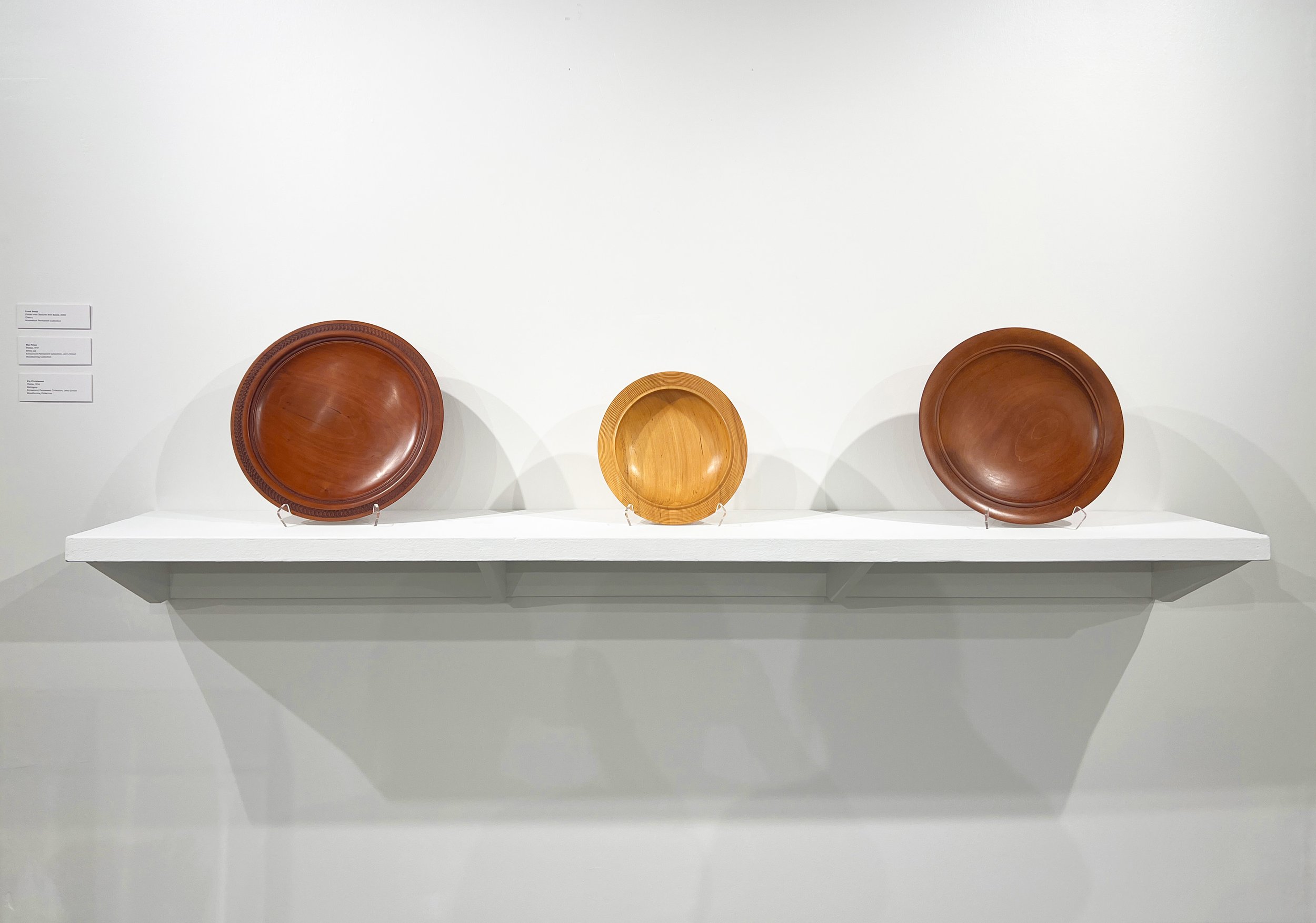
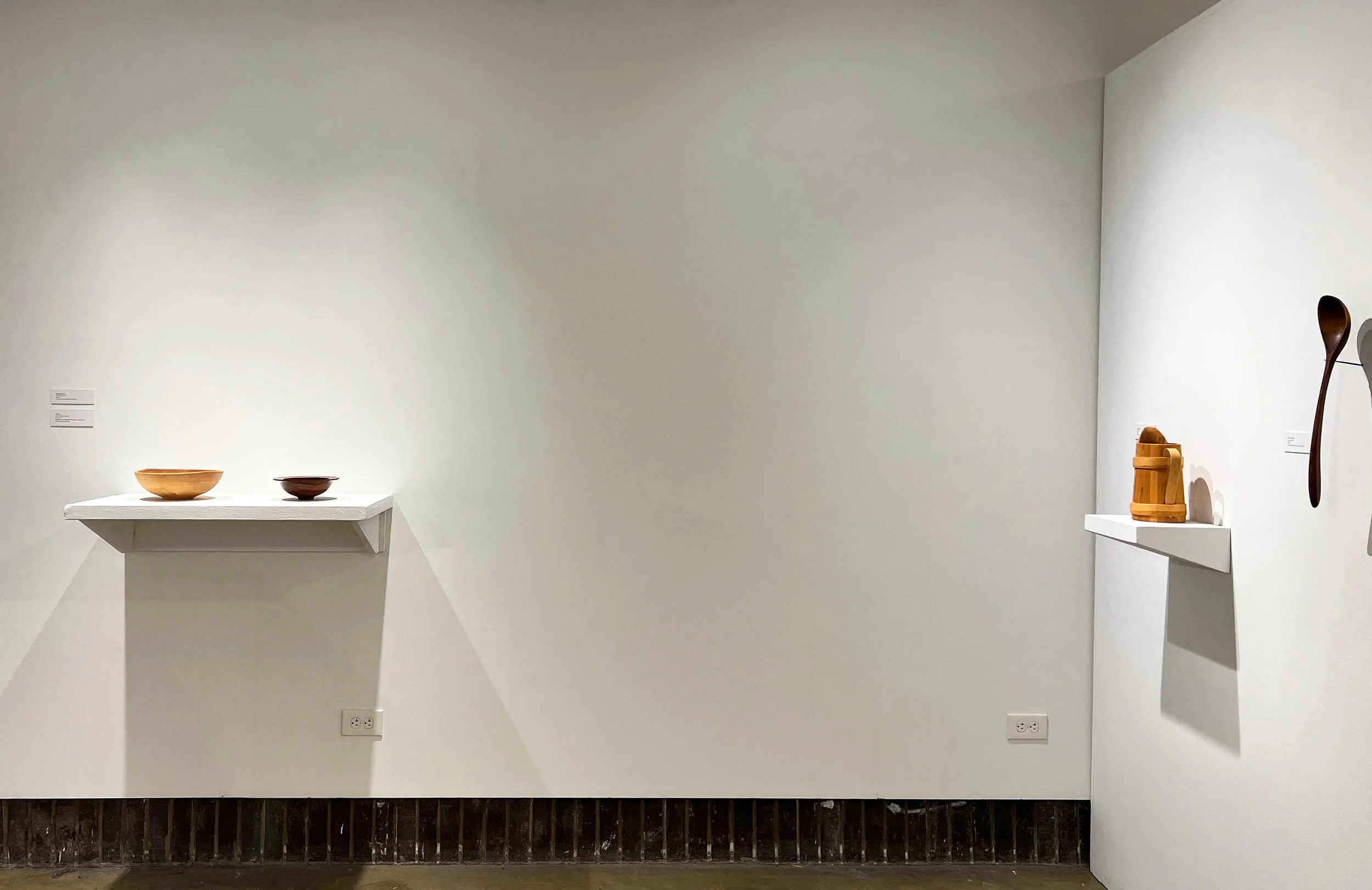
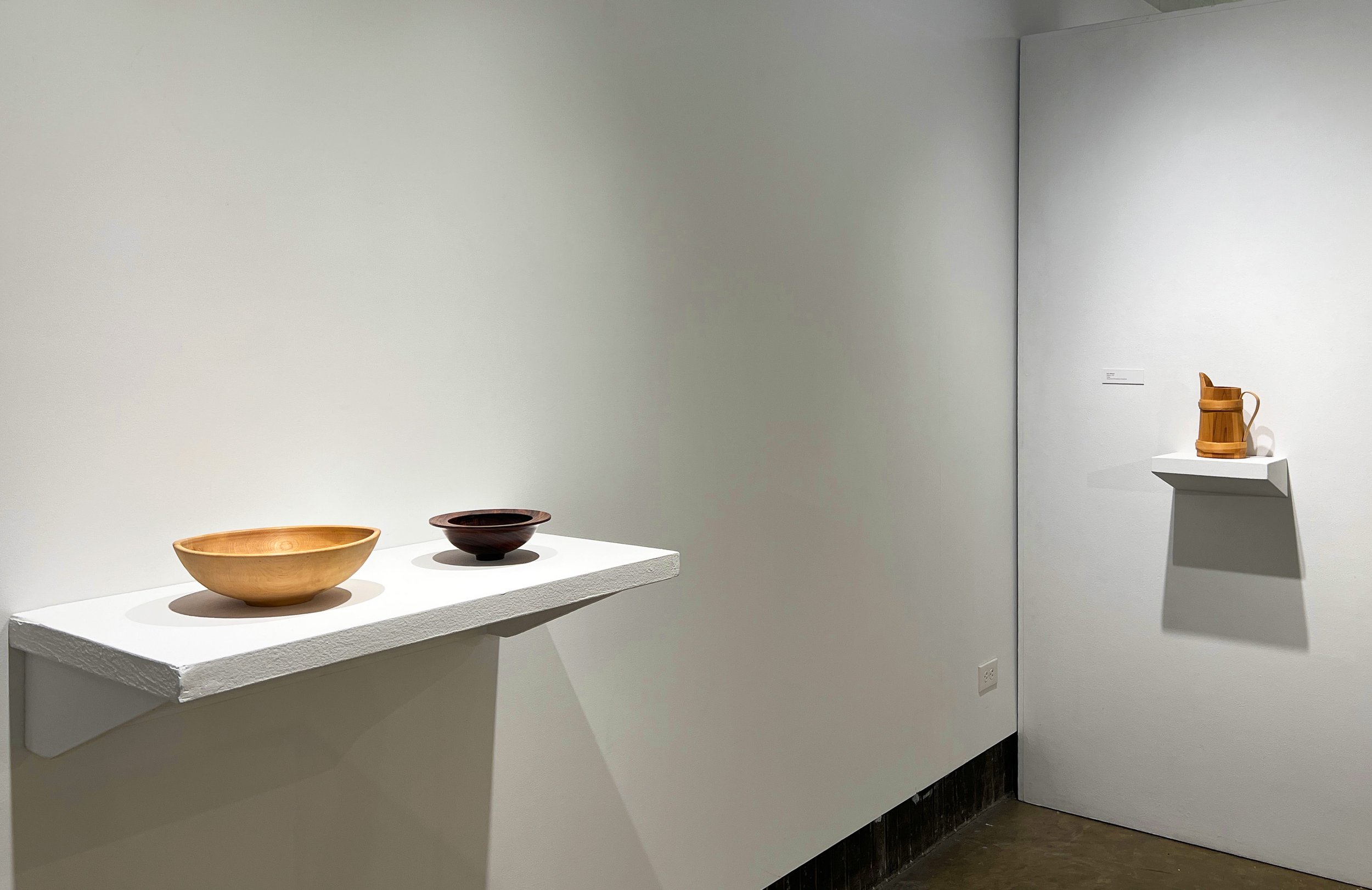
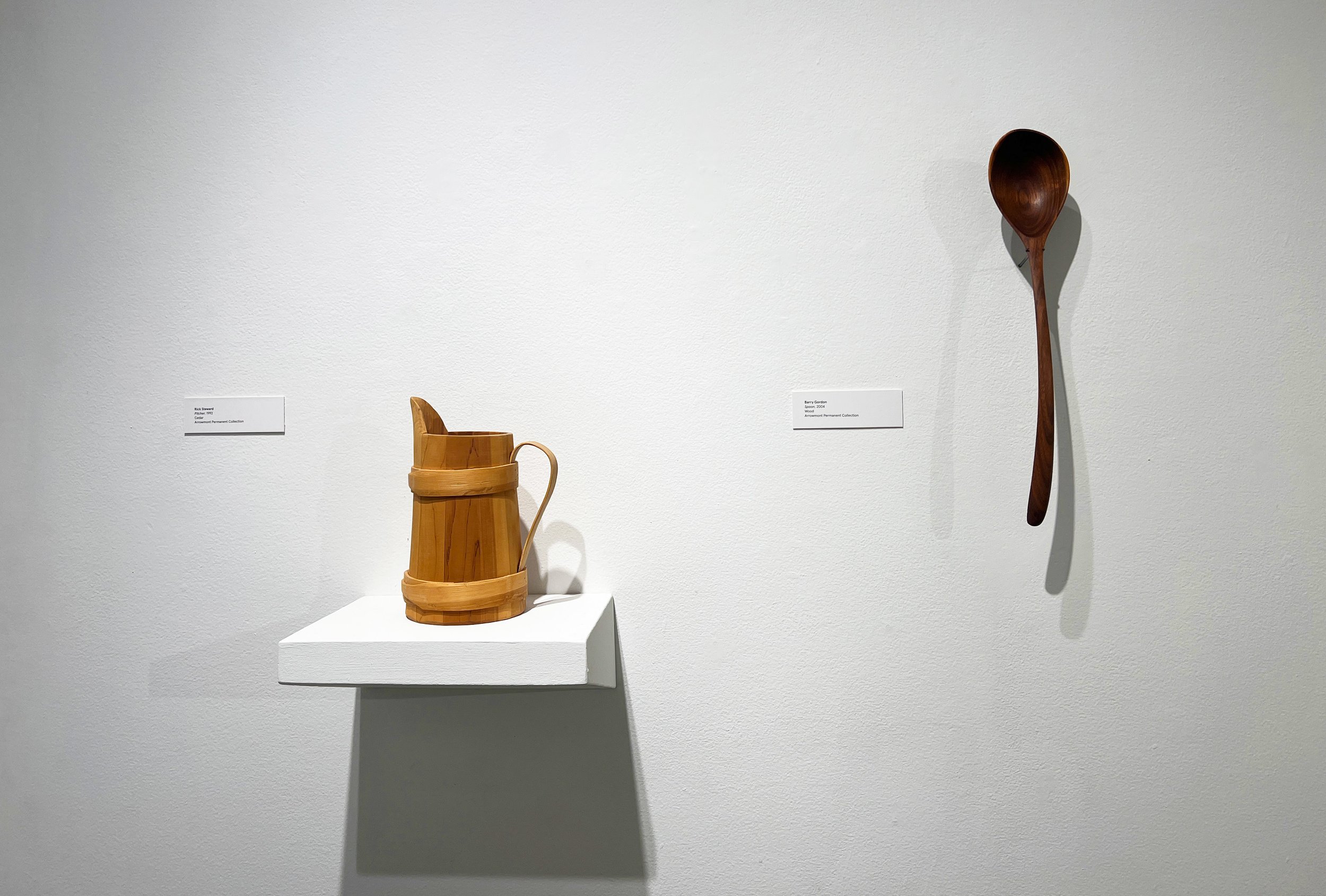
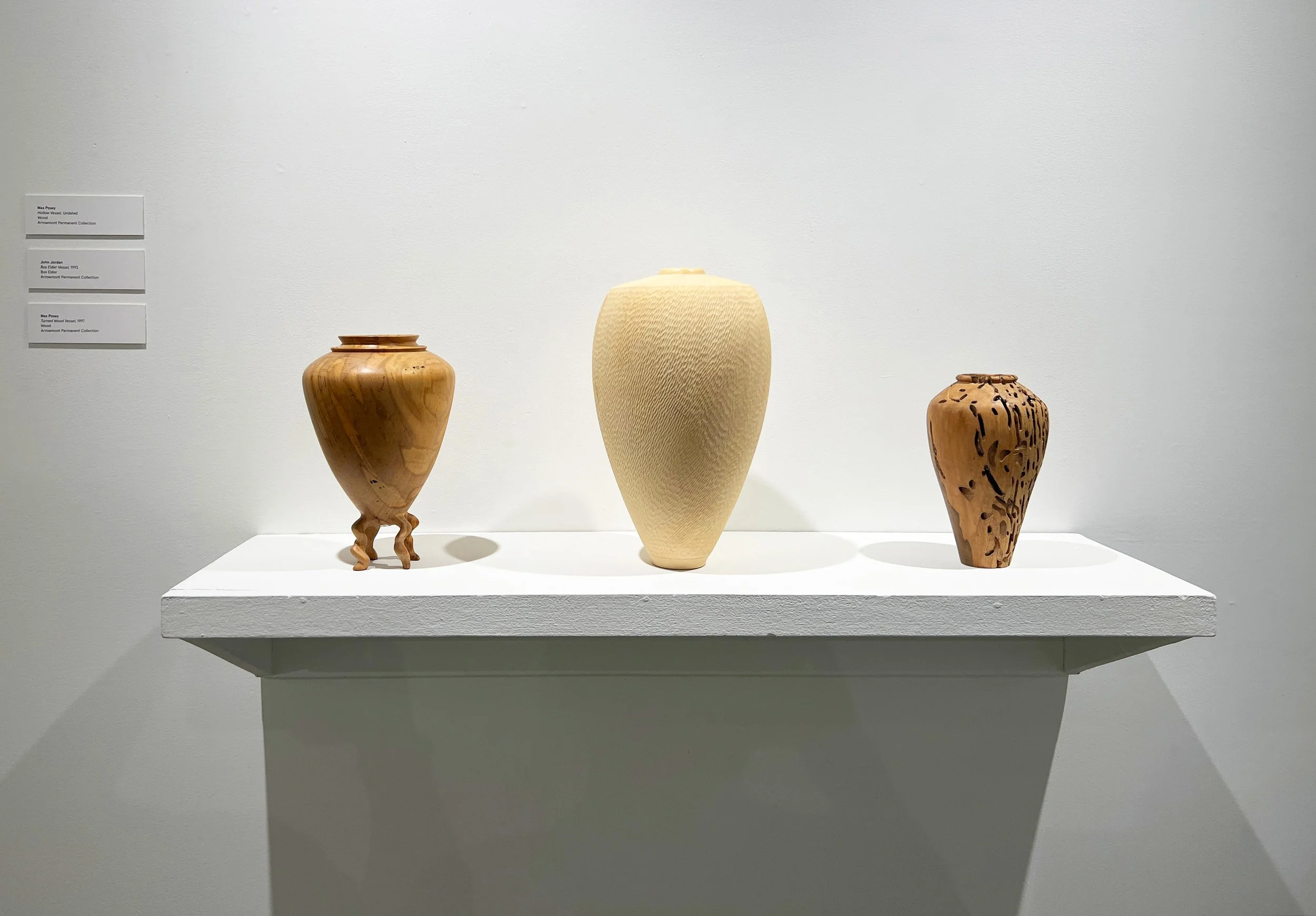
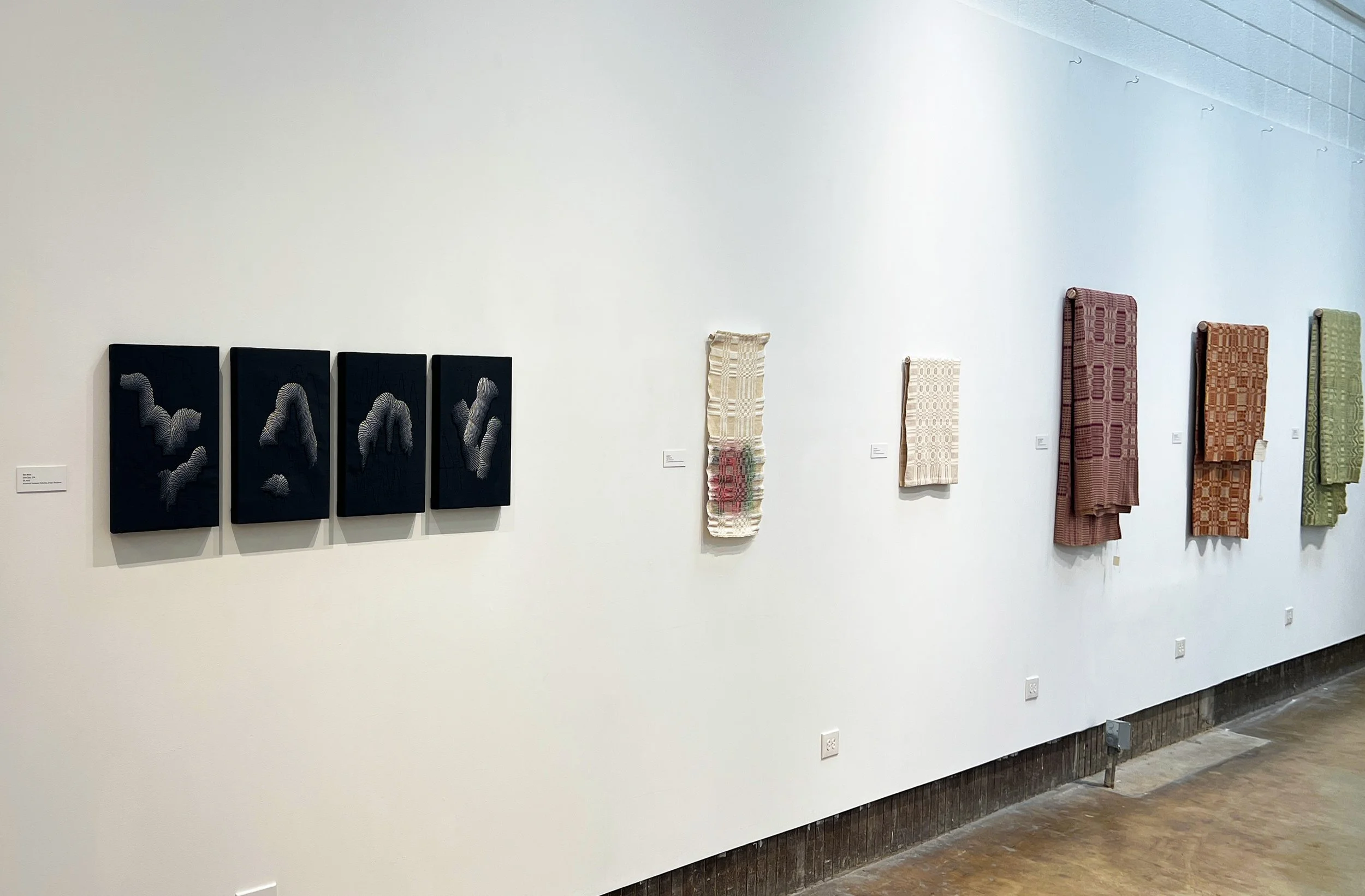
This exhibition uses a selection from Arrowmont’s Permanent Collection to juxtapose utilitarian craft-based objects with contemporary fine art, allowing the viewers to envision the transition from functional craft to market-driven design to contemporary practices where traditional techniques support artistic expression.